




Best Concrete Pool Deck Contractors Cornelius NC
Cornelius NC's most reputable concrete pool deck contractor — built to last, done right. Free concrete pool deck quotes in Cornelius back in 24 hours. Honest pricing, clear communication, dependable service on every Cornelius project.
Get your free quote
We respond in less than 2 hours.
Recent Cornelius Pool Decks Projects
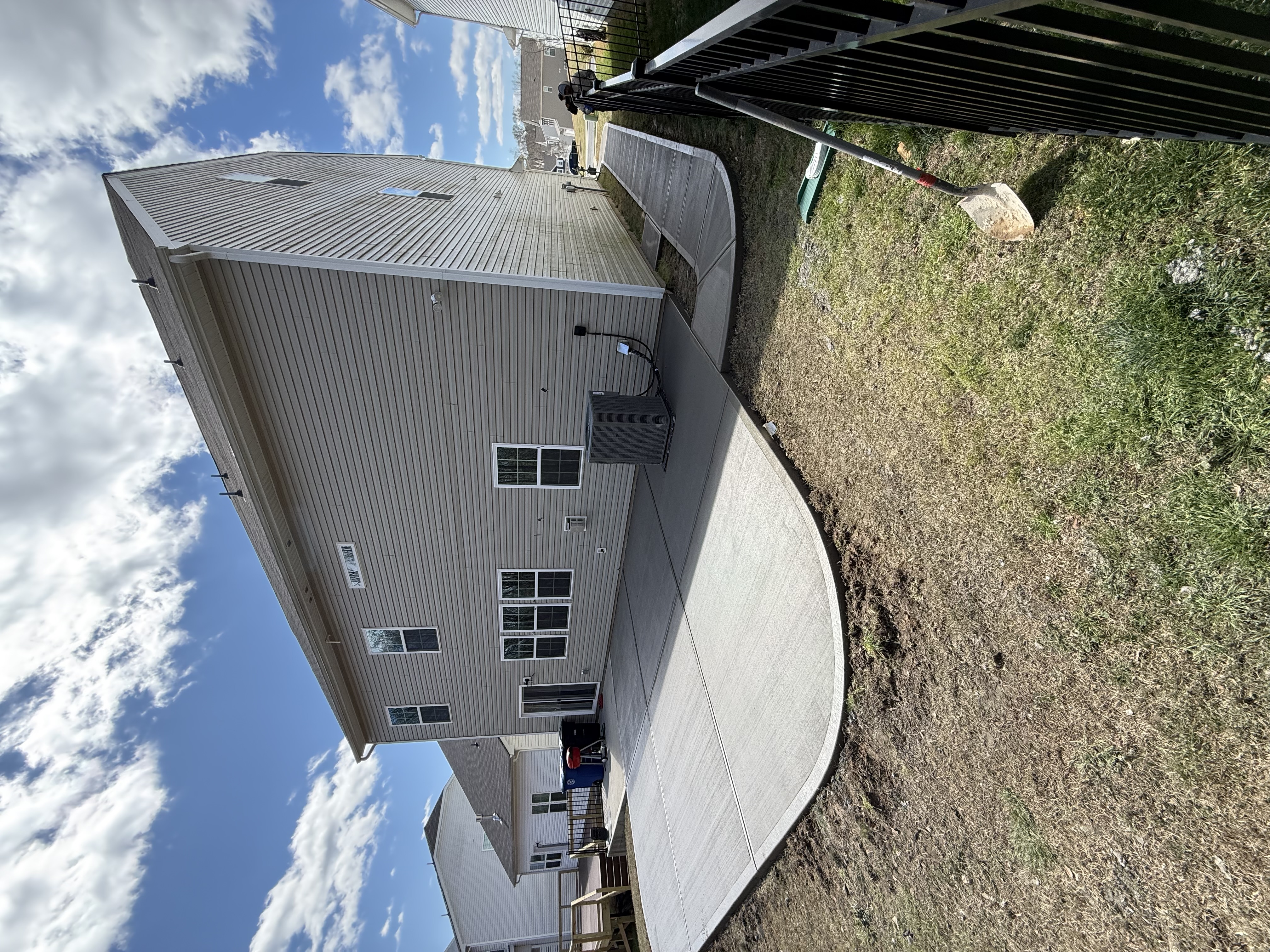
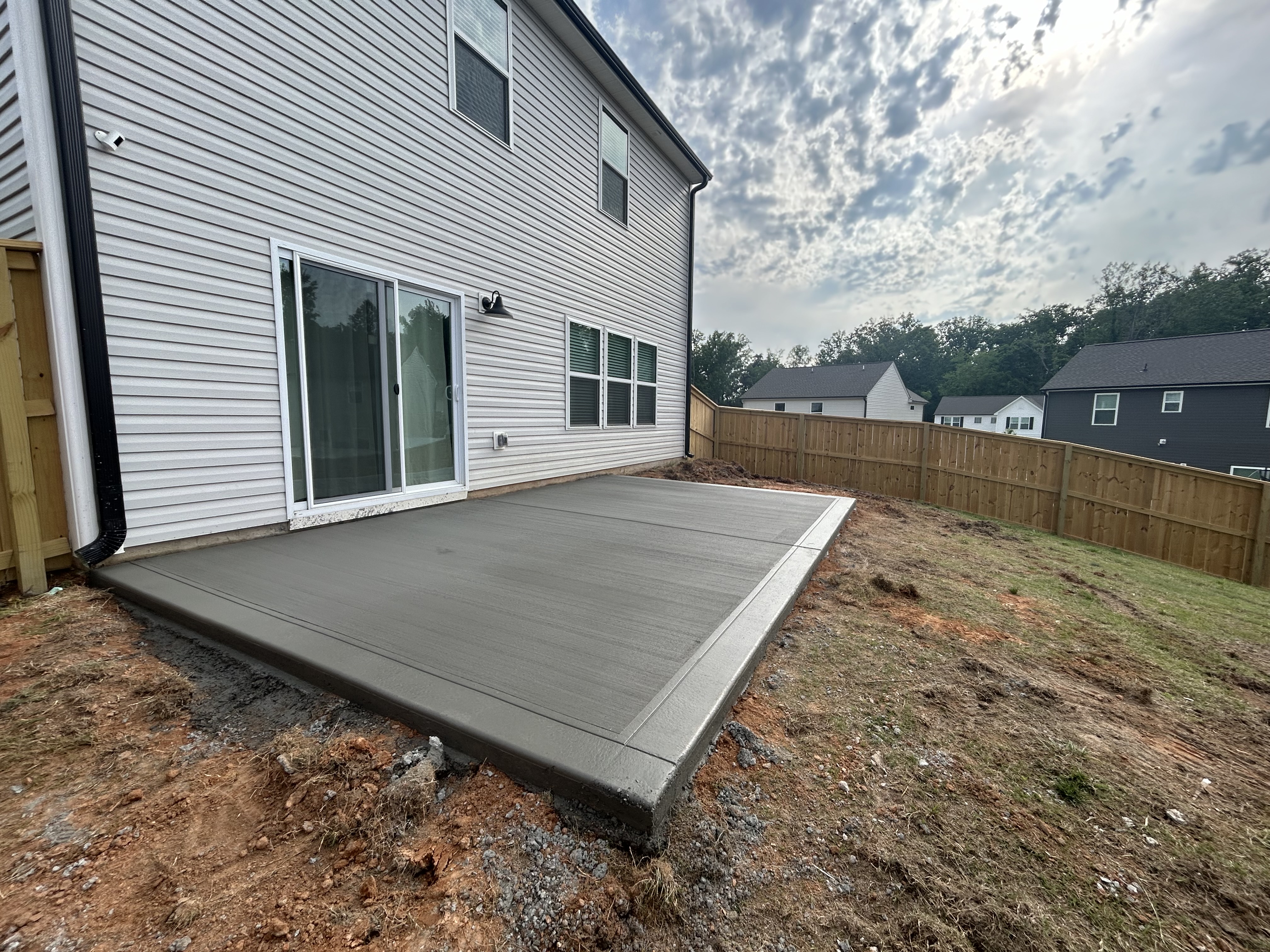
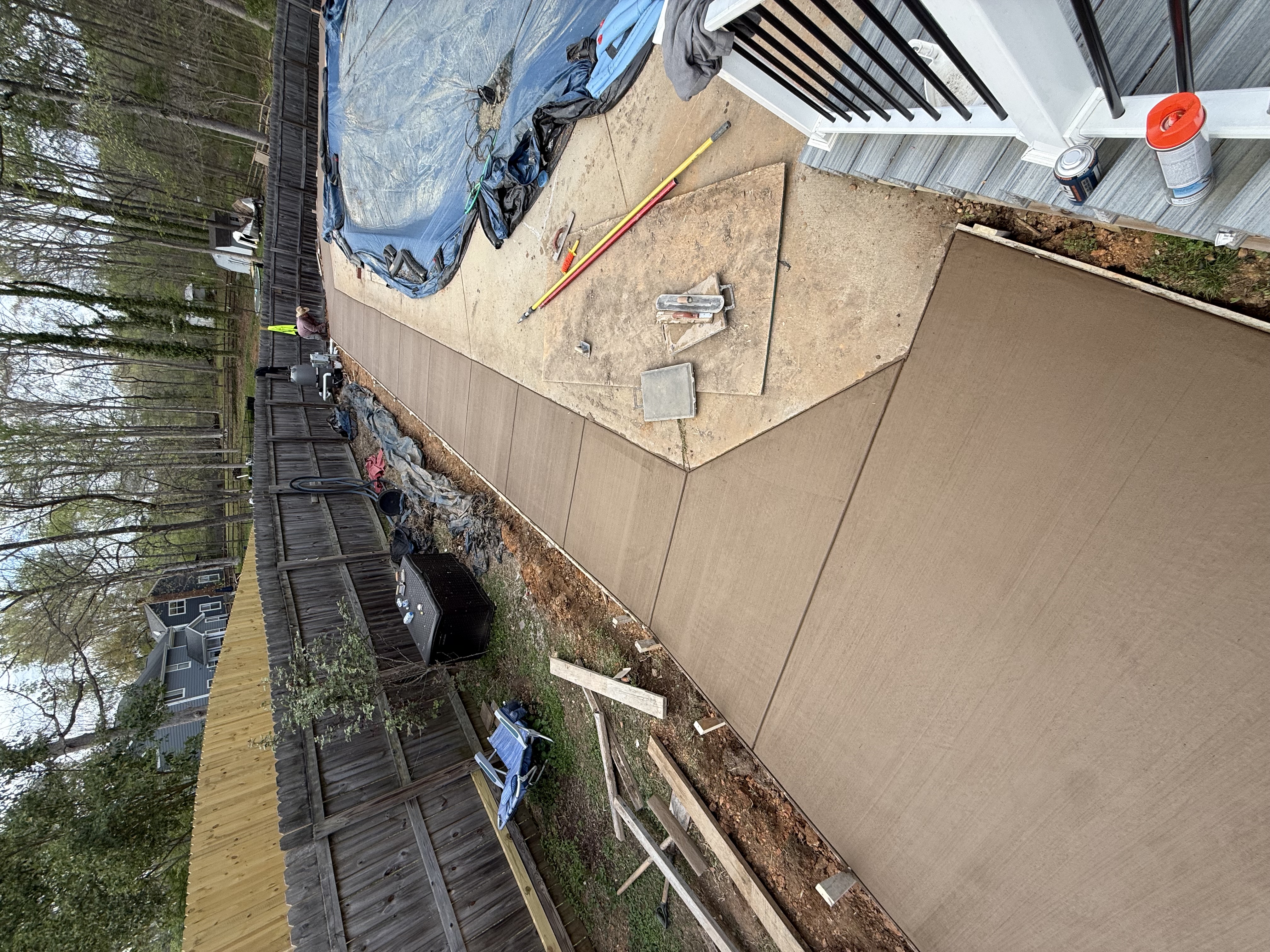
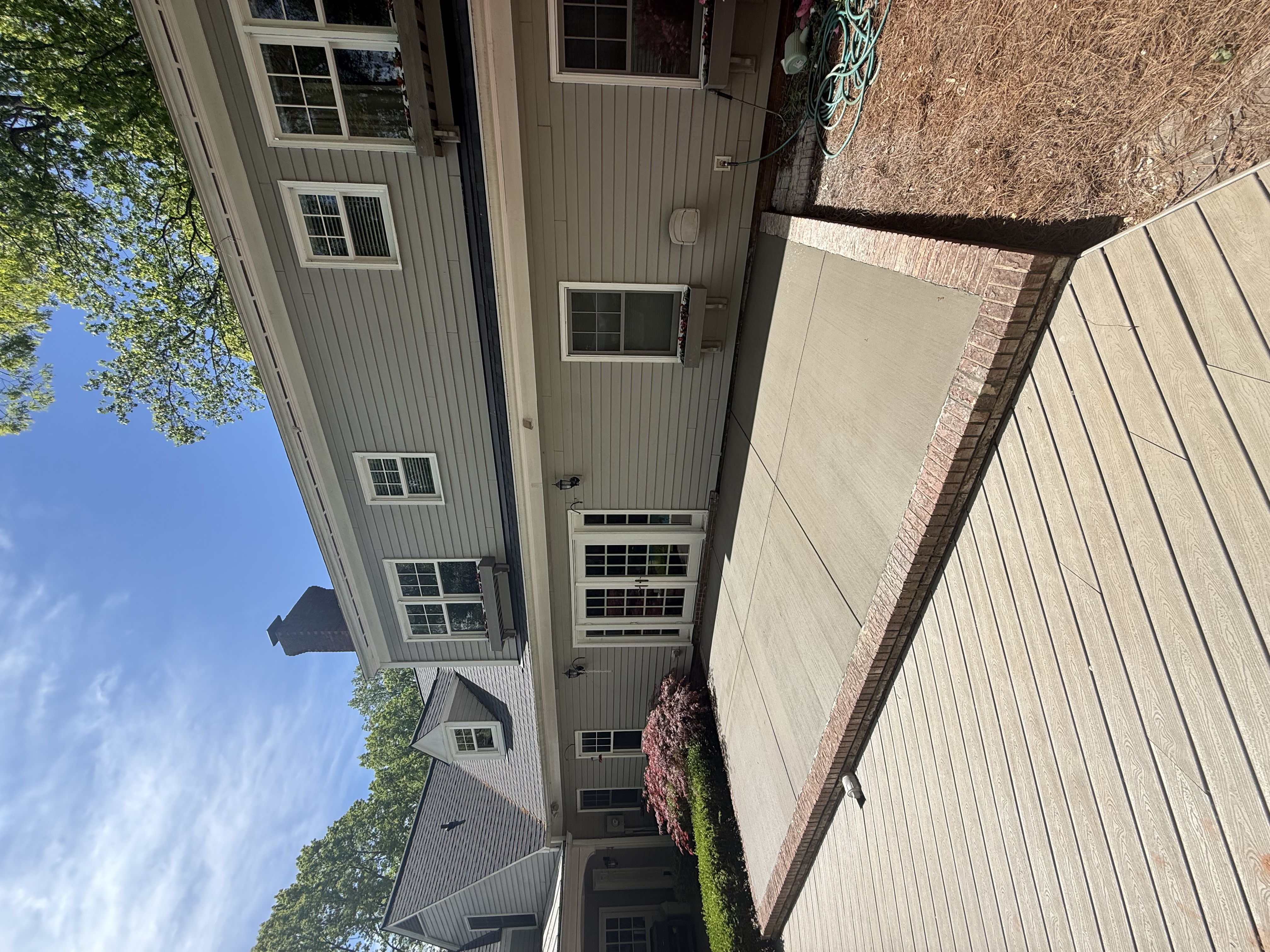
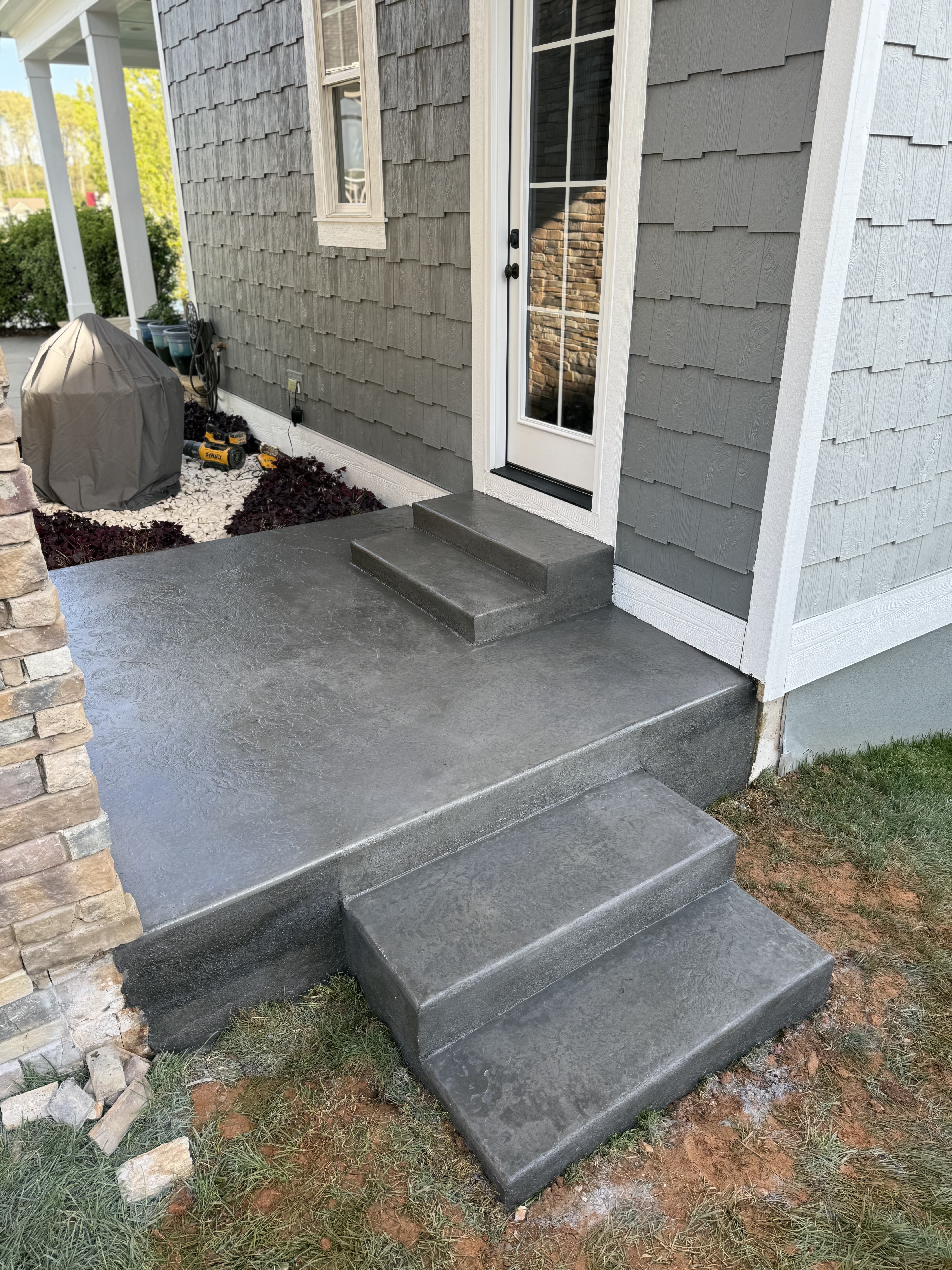
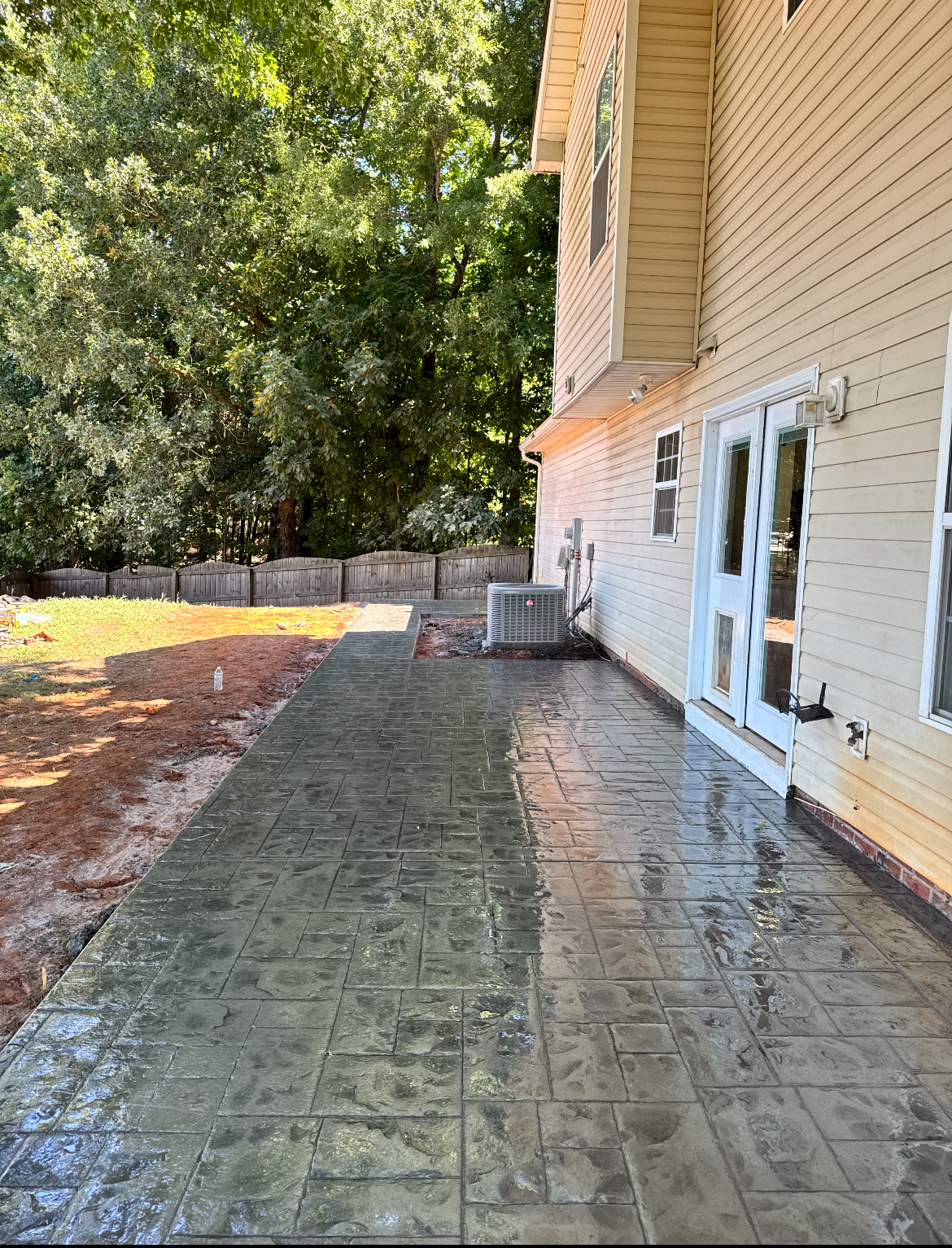
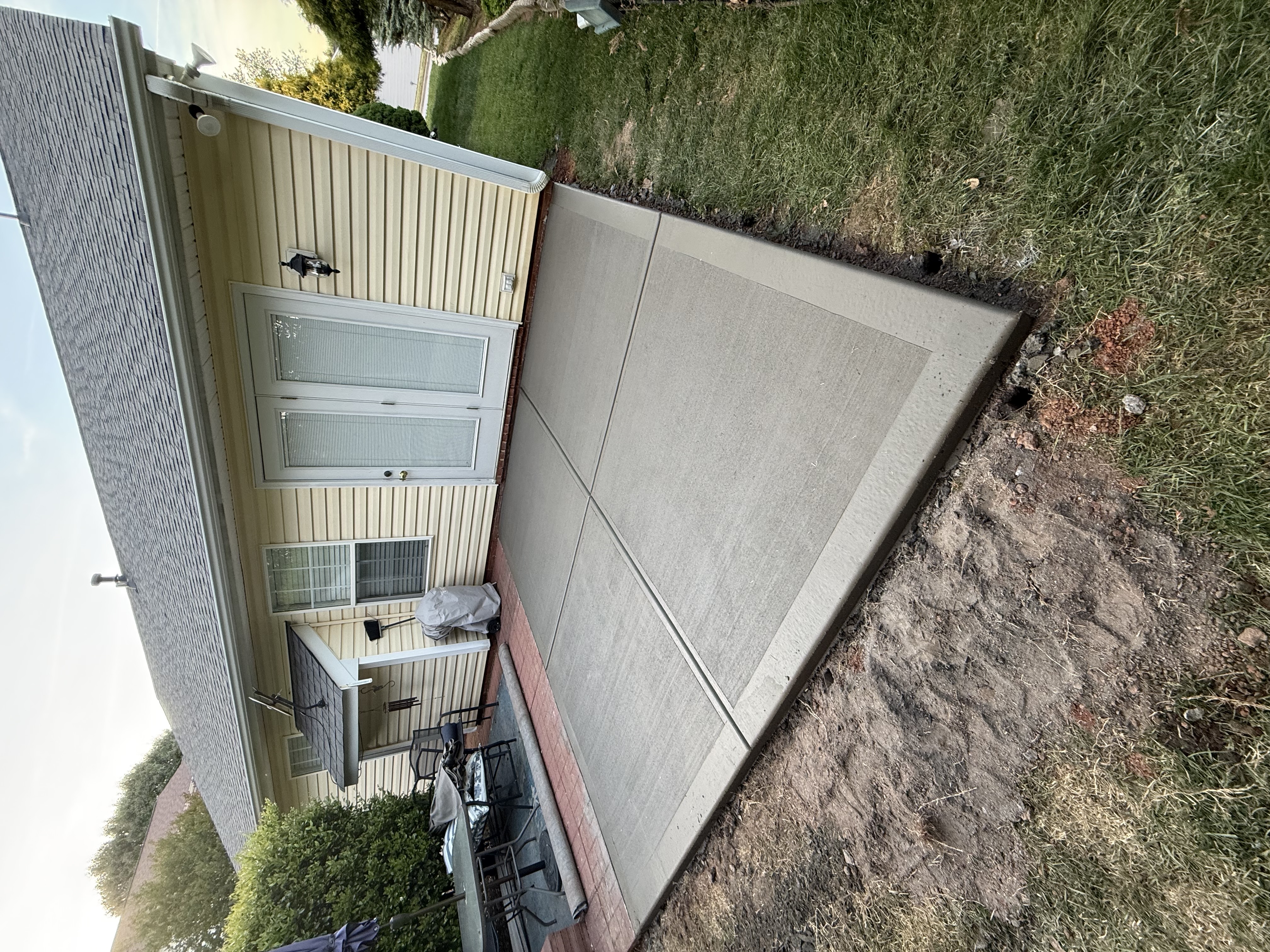
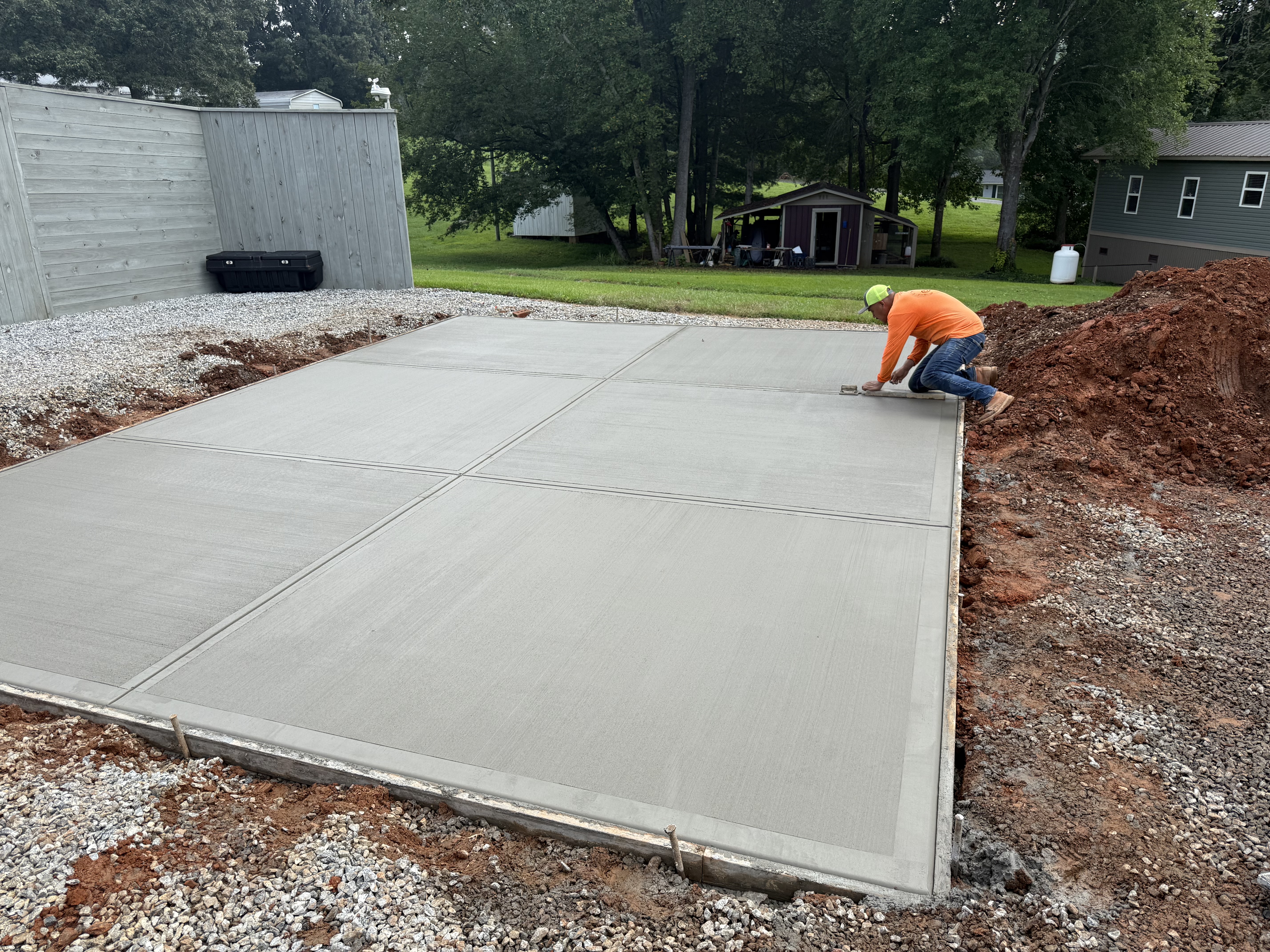
Real customer jobs we've poured. Swipe through and picture yours next.
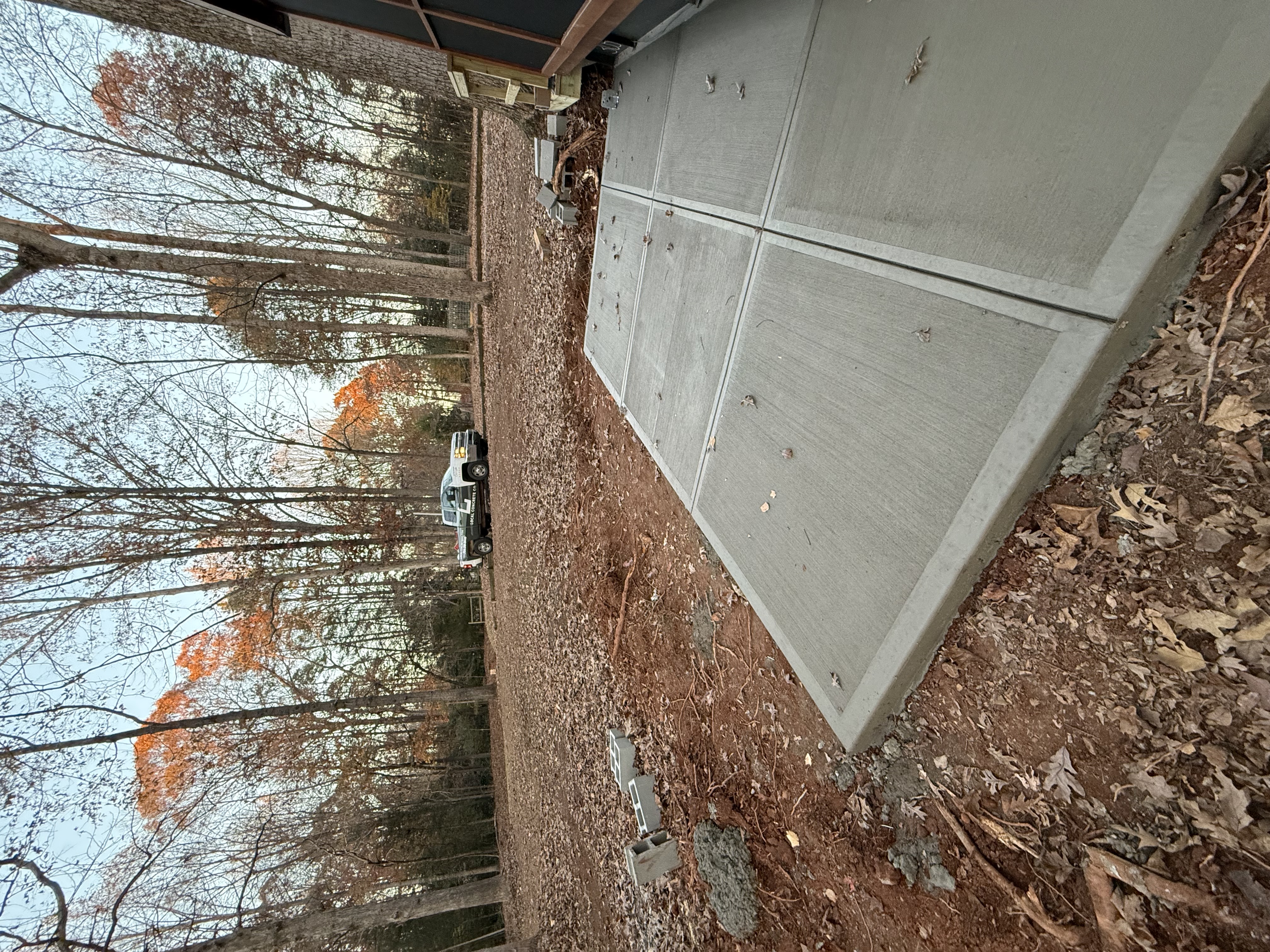
Pool Decks
Cornelius Job
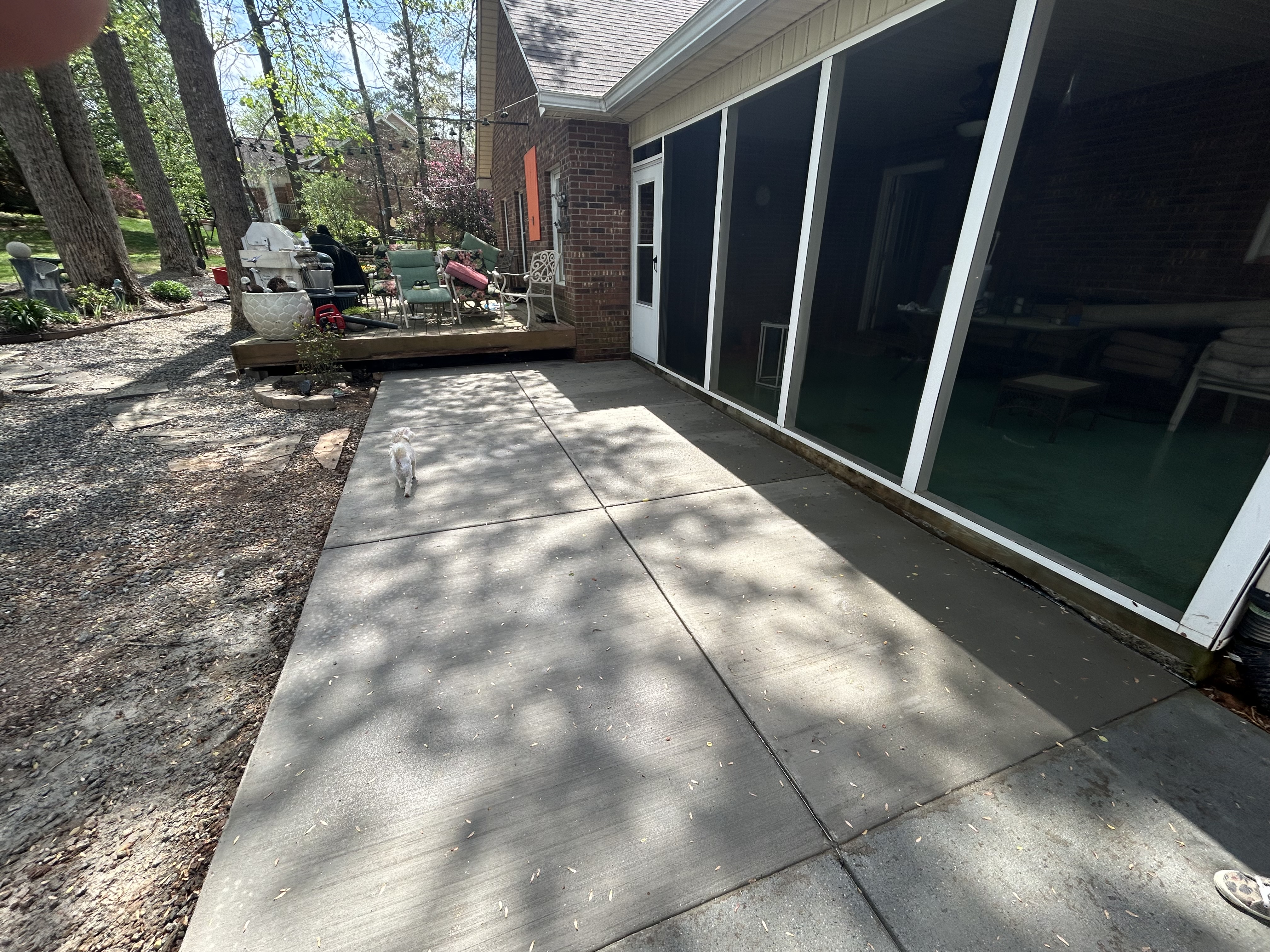
Pool Decks
Cornelius Job
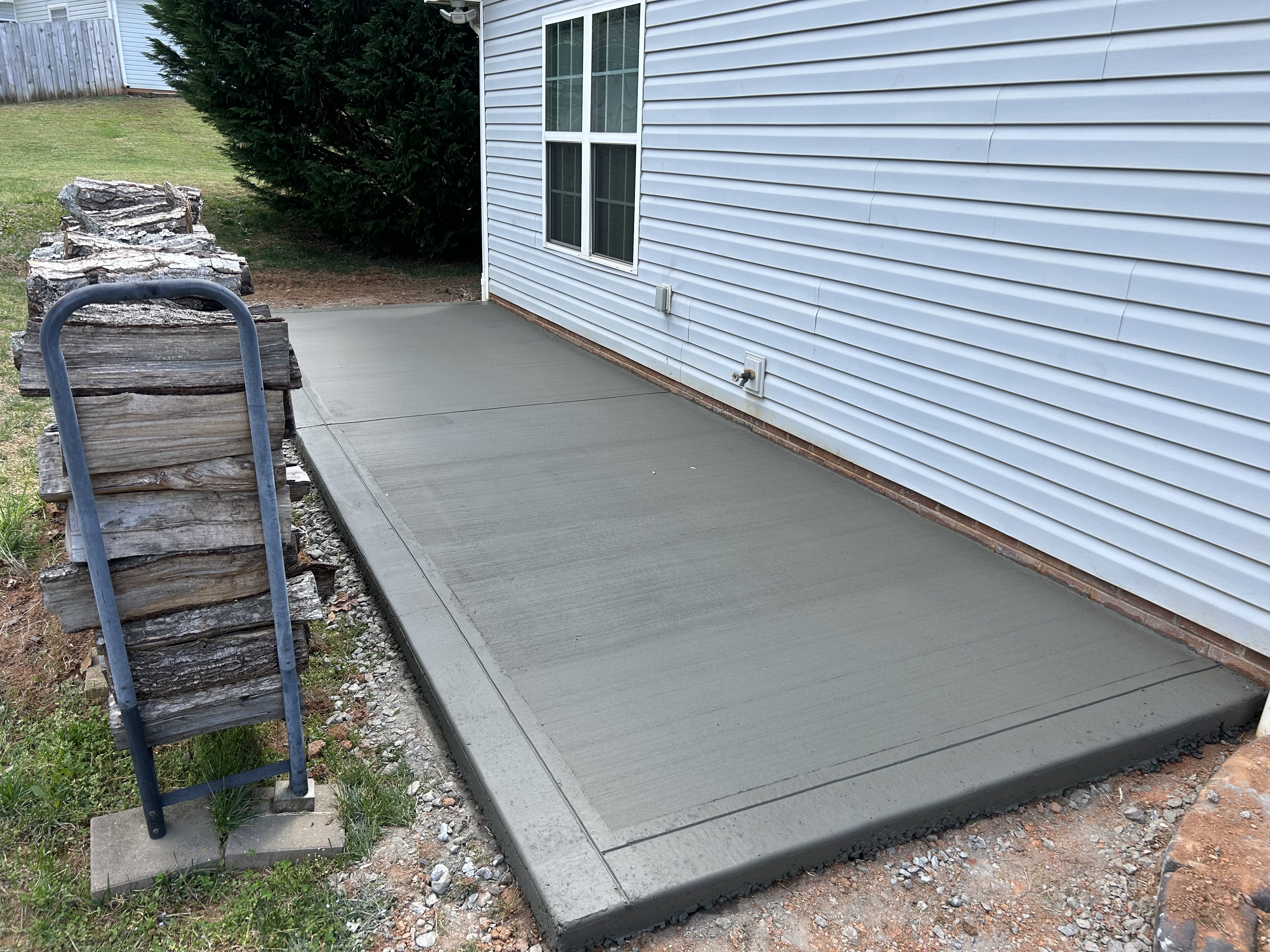
Pool Decks
Cornelius Job
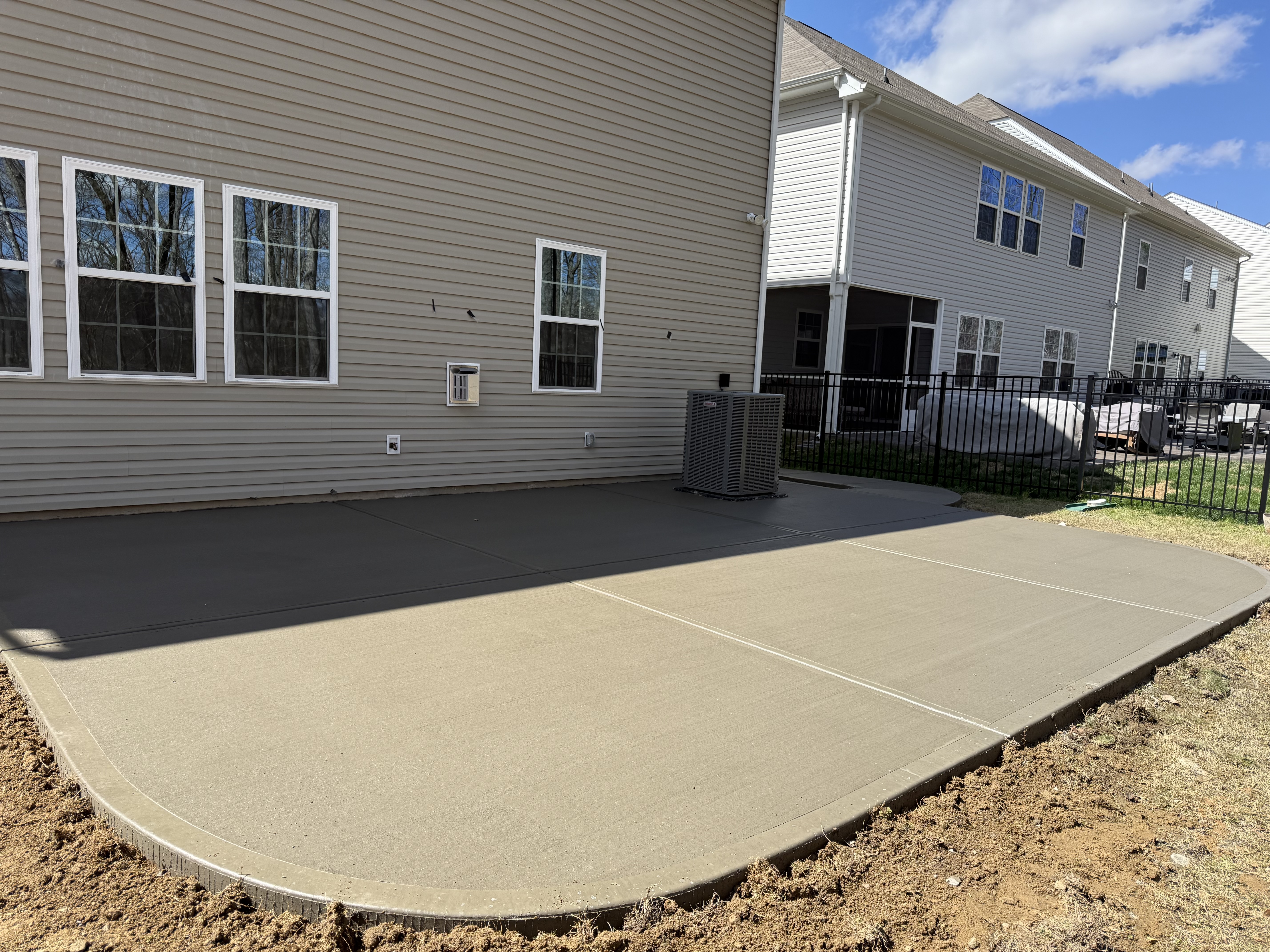
Pool Decks
Cornelius Job
Pool Decks
Cornelius Job
Pool Decks
Cornelius Job
Pool Decks
Cornelius Job
Pool Decks
Cornelius Job
Pool Decks
Cornelius Job
Pool Decks
Cornelius Job
Pool Decks
Cornelius Job
Pool Decks
Cornelius Job
Pool Decks
Cornelius Job
Pool Decks
Cornelius Job
Pool Decks
Cornelius Job
Pool Decks
Cornelius Job
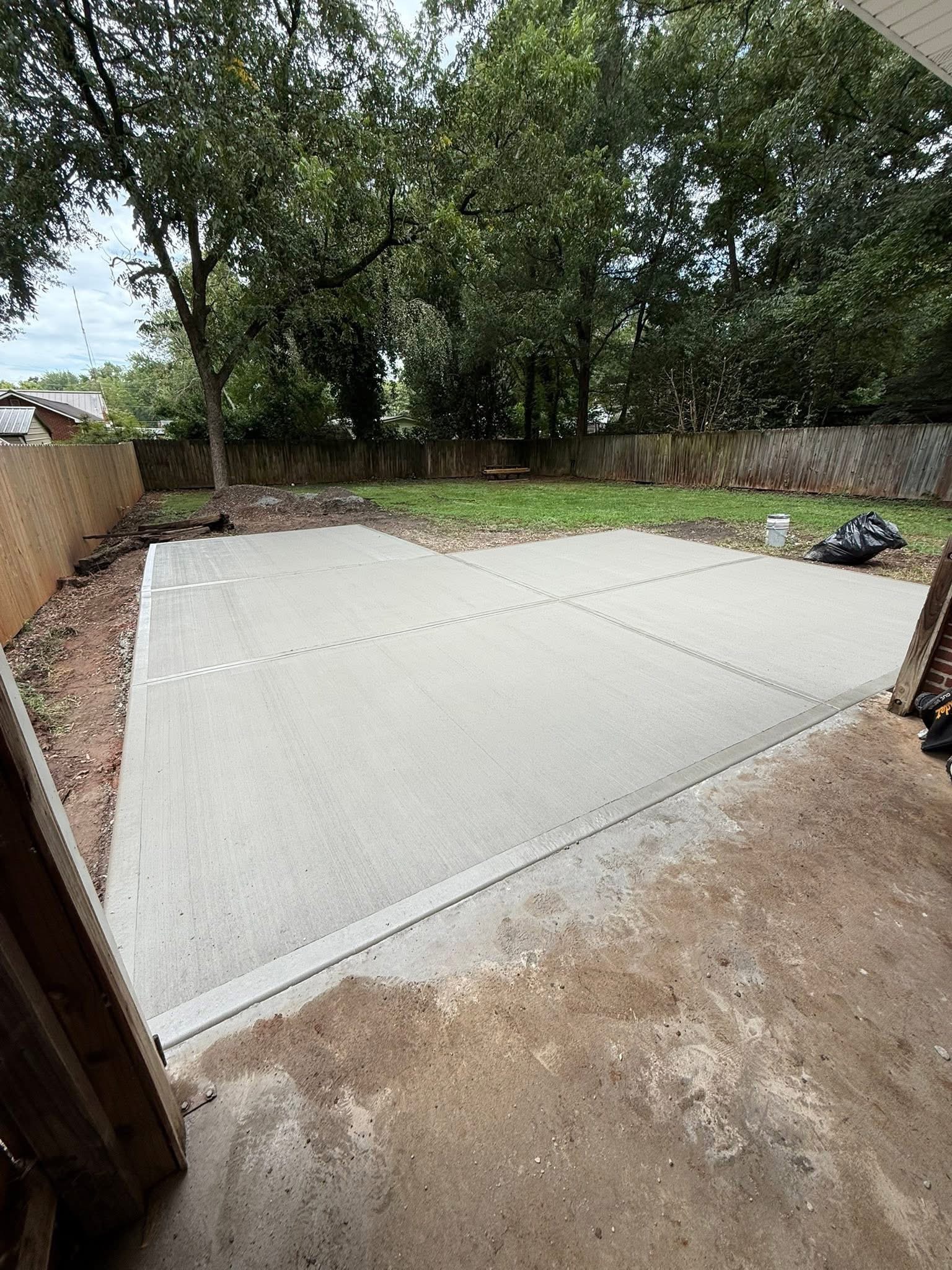
Pool Decks
Cornelius Job
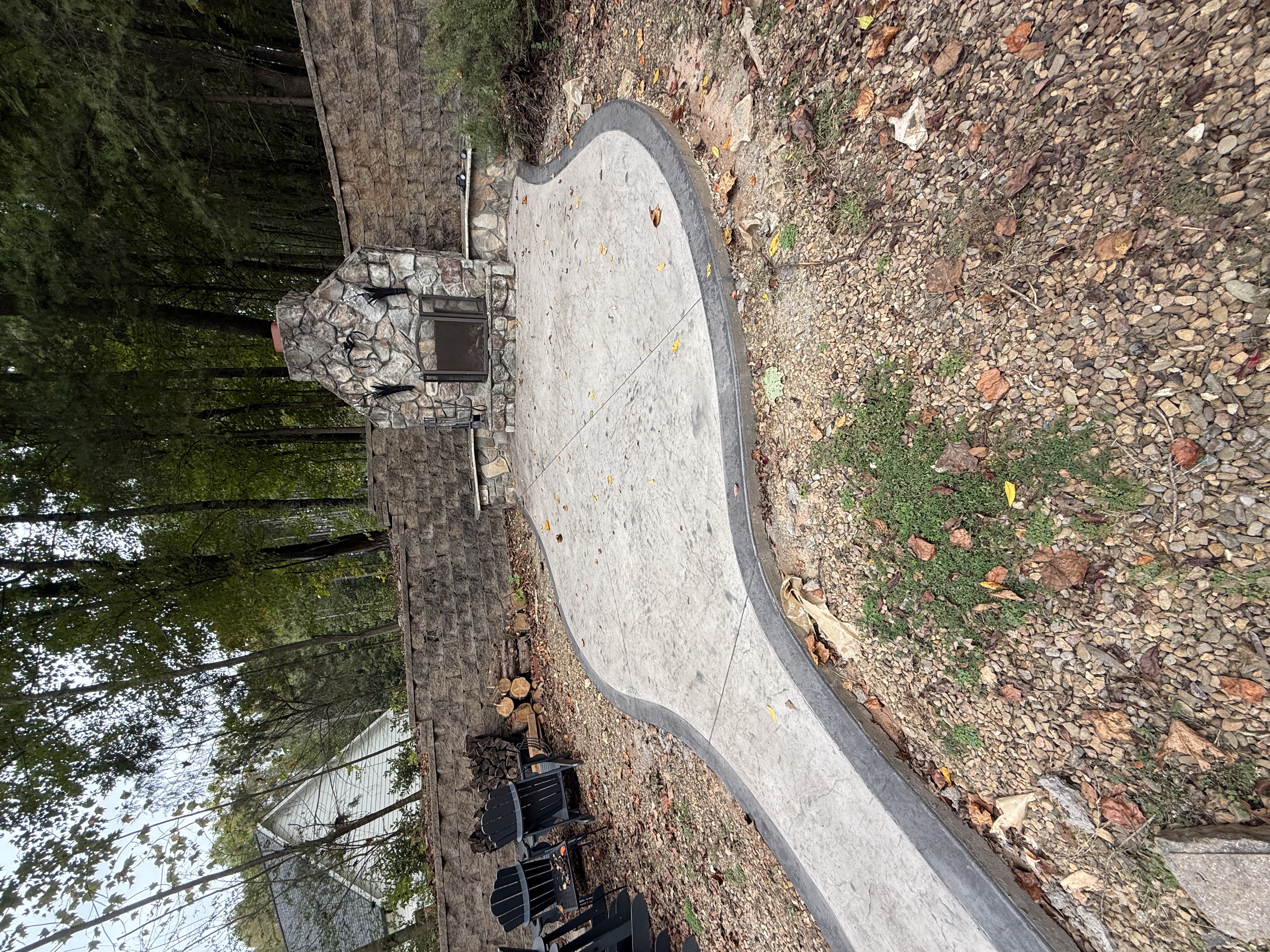
Pool Decks
Cornelius Job
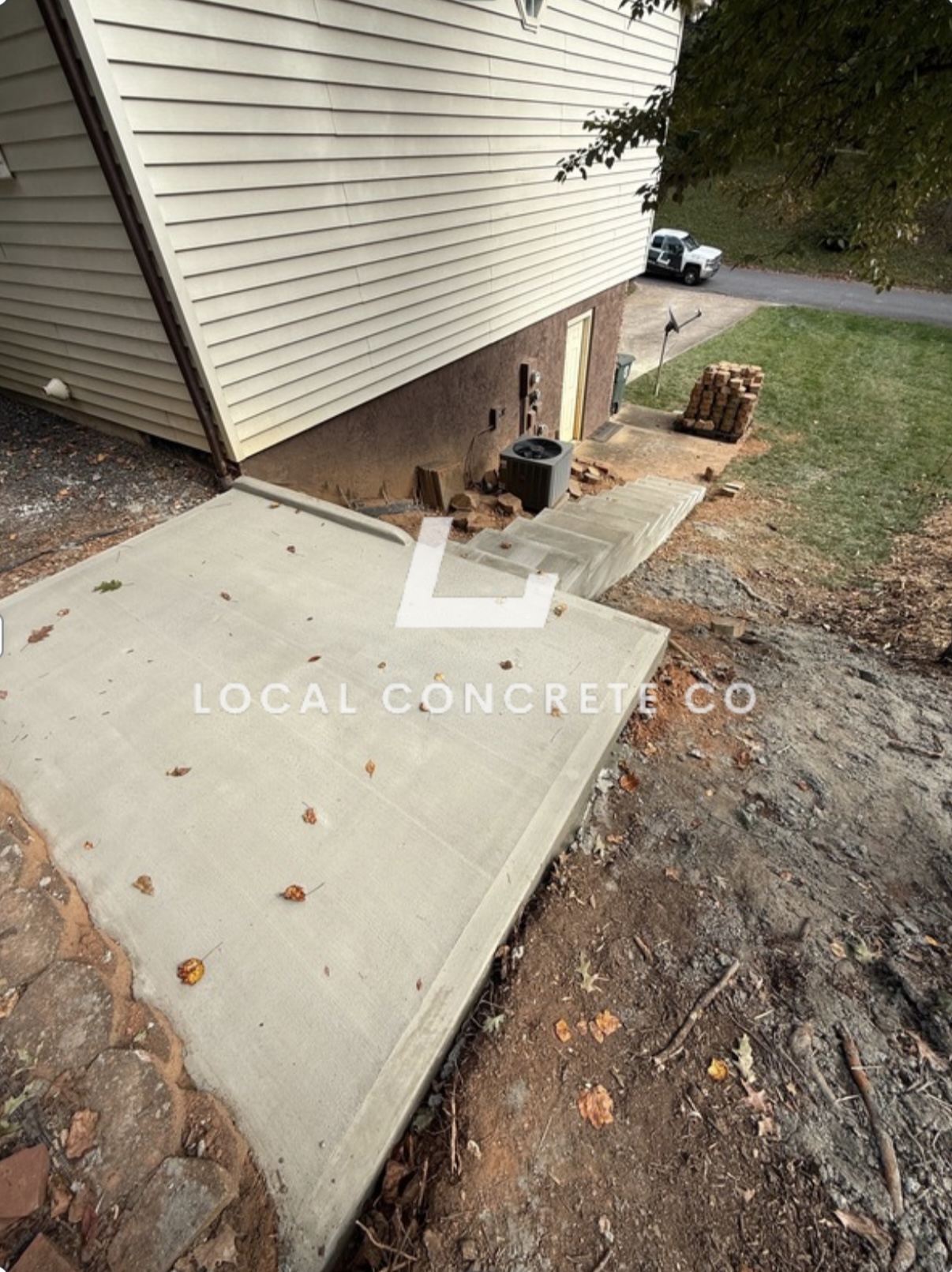
Pool Decks
Cornelius Job
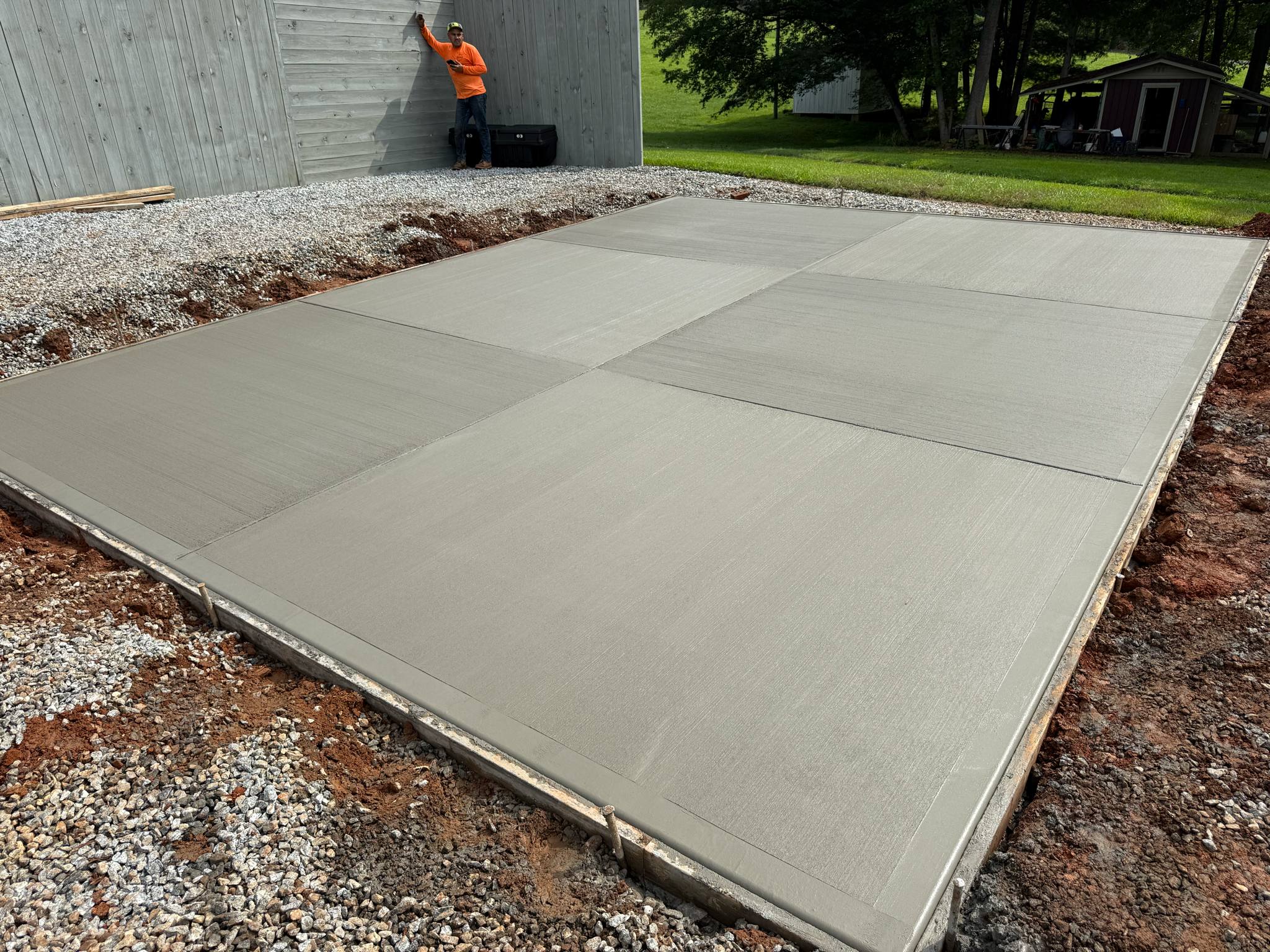
Pool Decks
Cornelius Job
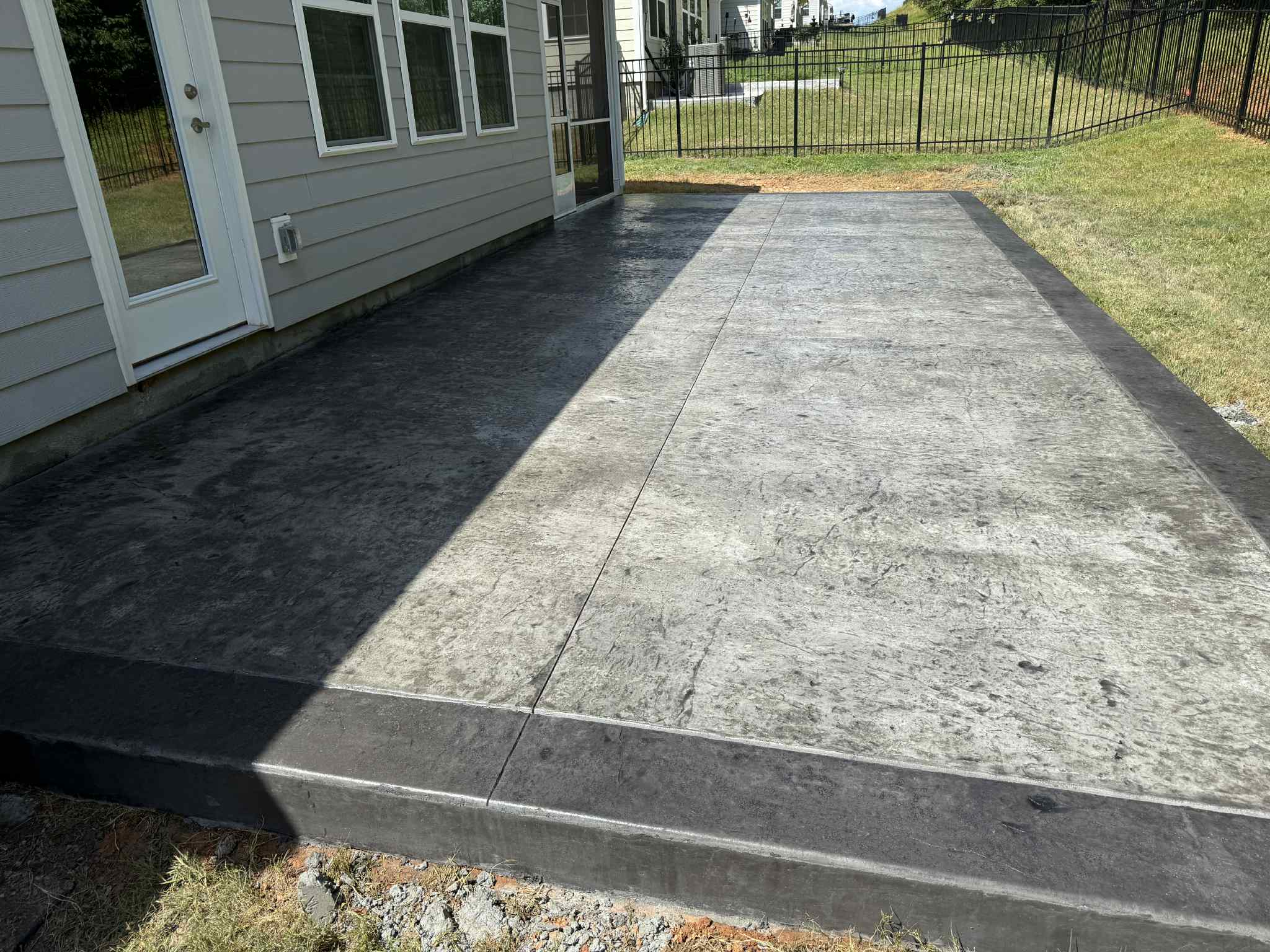
Pool Decks
Cornelius Job
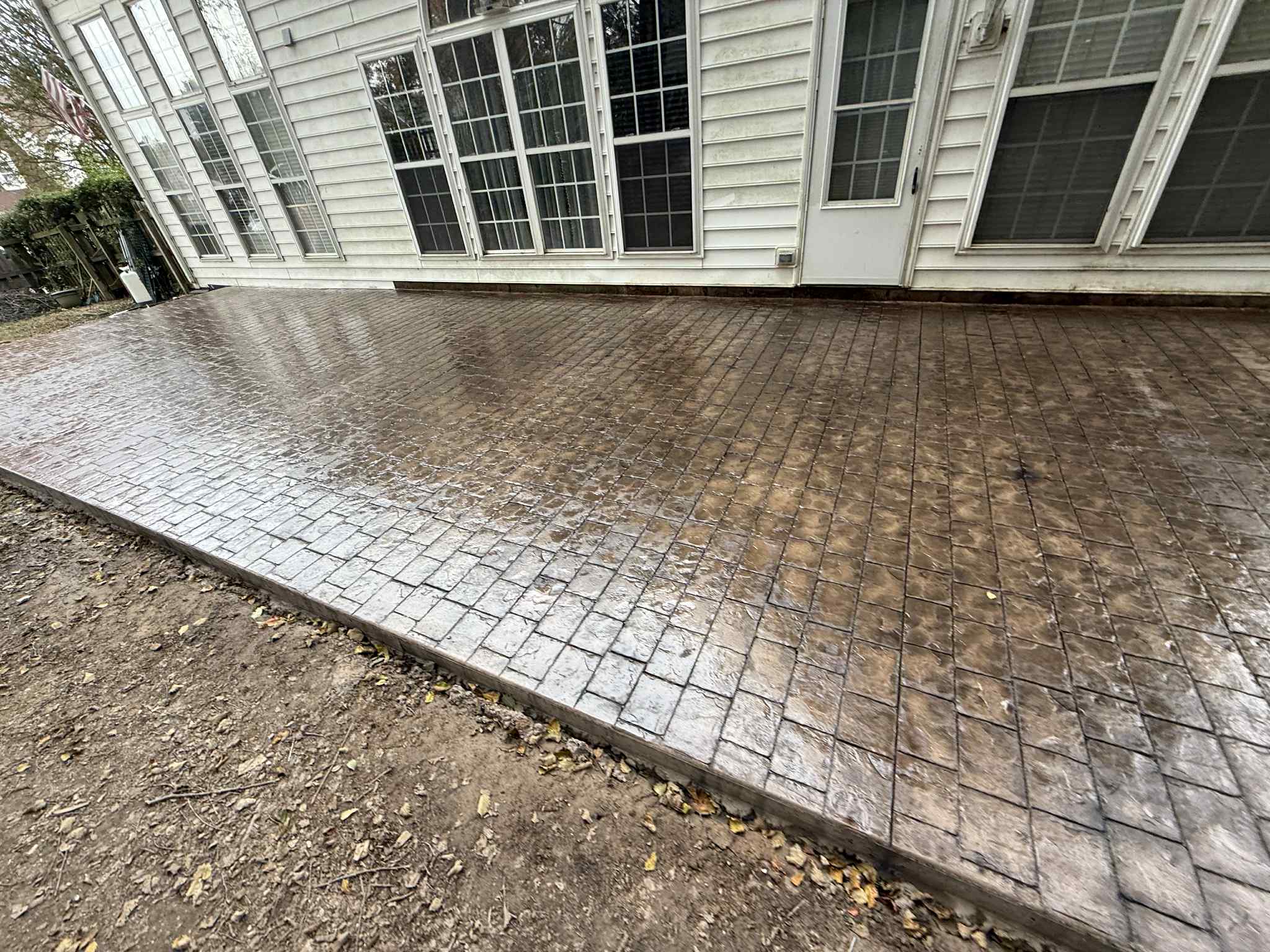
Pool Decks
Cornelius Job
(980) 409-2315
Of every slab on a residential property, the pool deck sits in the toughest spot. Standing water most of the summer, chlorine or salt splash cycling across the paste, wet bare feet asking for real traction, and winter freeze-thaw pulling at the top layer every year the pool is uncovered. On top of the environmental load, the deck has to stay coplanar with the coping without ever transferring stress into the pool shell. Deck failures — spalling, panel slide, cracks running into the coping — almost always trace back to one of those constraints getting shortcut at install. Nailing slip resistance, drainage geometry, and the coping joint at the front end is what separates a deck that lasts thirty years from one starting to fail in five.
Local Concrete Charlotte pours new residential pool decks around inground gunite and vinyl-liner pools throughout Mecklenburg and the surrounding counties. Every project opens with a site walk — coping condition, existing grade, where water needs to go, the deck footprint, HOA setback constraints common in Ballantyne and Providence, finish preference for wet-foot traction, and how the deck ties into any adjacent patio, screened porch, or house wall. That visit becomes a written spec: base prep, mix design, thickness, reinforcement, slip finish, coping isolation joint, drainage plan, and expansion joint layout across the deck field. You see the number and the scope behind it. Zero deposit, no pressure sales, nothing hidden inside the quote.
Our Concrete Pool Deck Services
The work goes well beyond a strip of concrete circling the pool. Each variation shifts finish choice, drainage plan, and how the coping detail gets built.
- Fresh pool deck pours around brand-new pools as well as decks going in during a pool renovation
- Total tear-out and repour when an existing deck has failed all the way through and needs to come out
- Enlargements — bolting on a lounge zone, a bigger conversation area, or a whole entertaining pad off the current deck
- Continuous transitions where the pool surround meets a covered patio, screened room, or outdoor cooking area
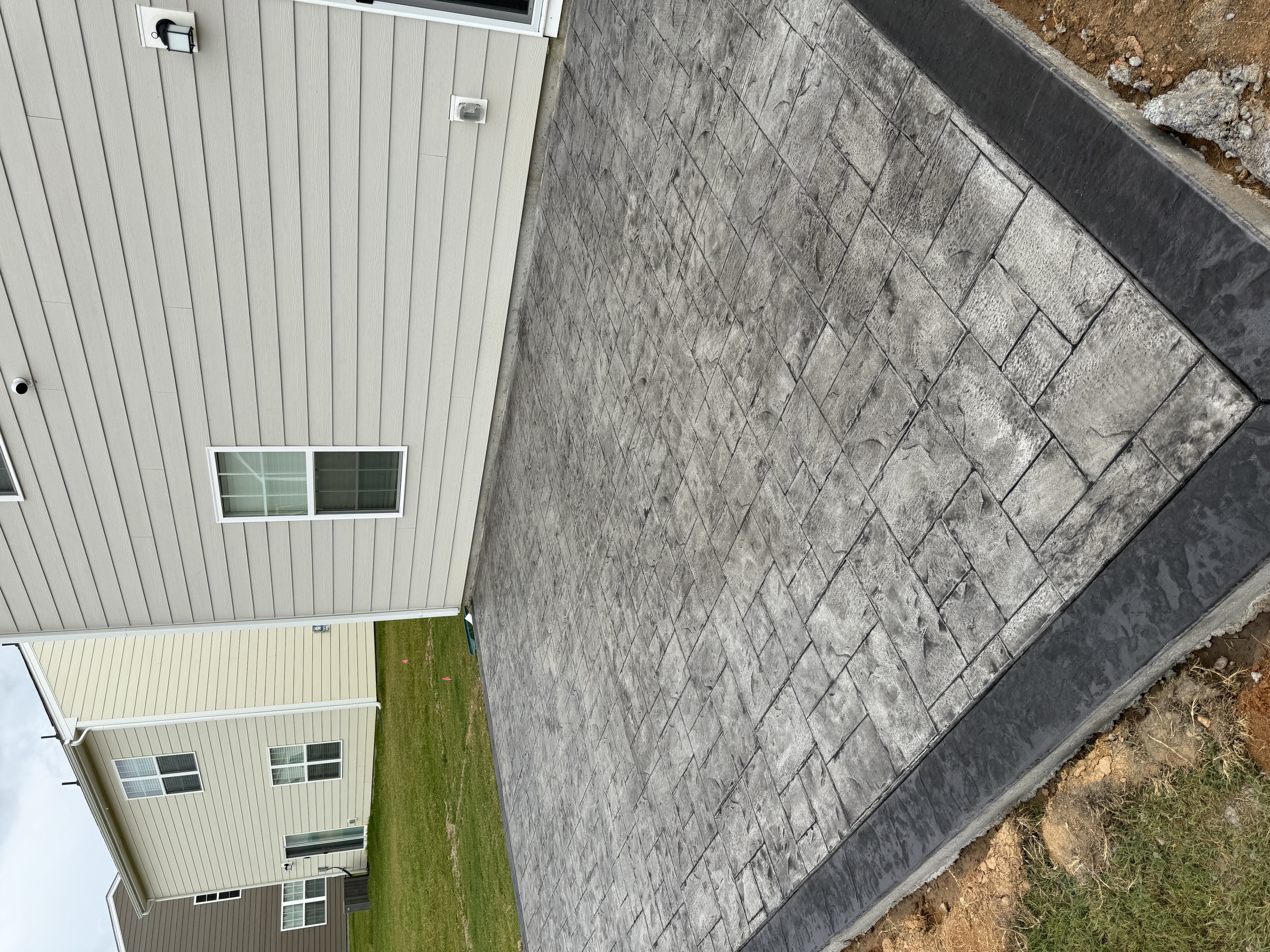
- Broomed, salt-textured, exposed-stone, and stamped finish choices matched to wet traction needs and Piedmont sun
- Cool-touch topical finishes and pigmented mixes for decks that need to stay walkable in July afternoons
- Overlay resurfacing on decks whose structure is still solid but whose finish has surface-worn or lightly spalled
- Precision saw-cut isolation and finish blending right at the coping edge
- Full-field expansion joint planning on larger decks to absorb thermal expansion
Resurfacing only works when the substrate is actually sound. Spalling, wide cracks, or panel settlement mean any topping will pull loose inside a few seasons. We walk the deck, tell you whether you're in a resurface or full-replace conversation, and put both prices on paper.
Slip Resistance — Which Finish Actually Works Around a Pool
Slick concrete under wet feet is how people end up in the ER. Every credible pool deck finish is first a traction decision and second an aesthetic one. Plenty of finishes that look great on a covered patio have no business around a pool.
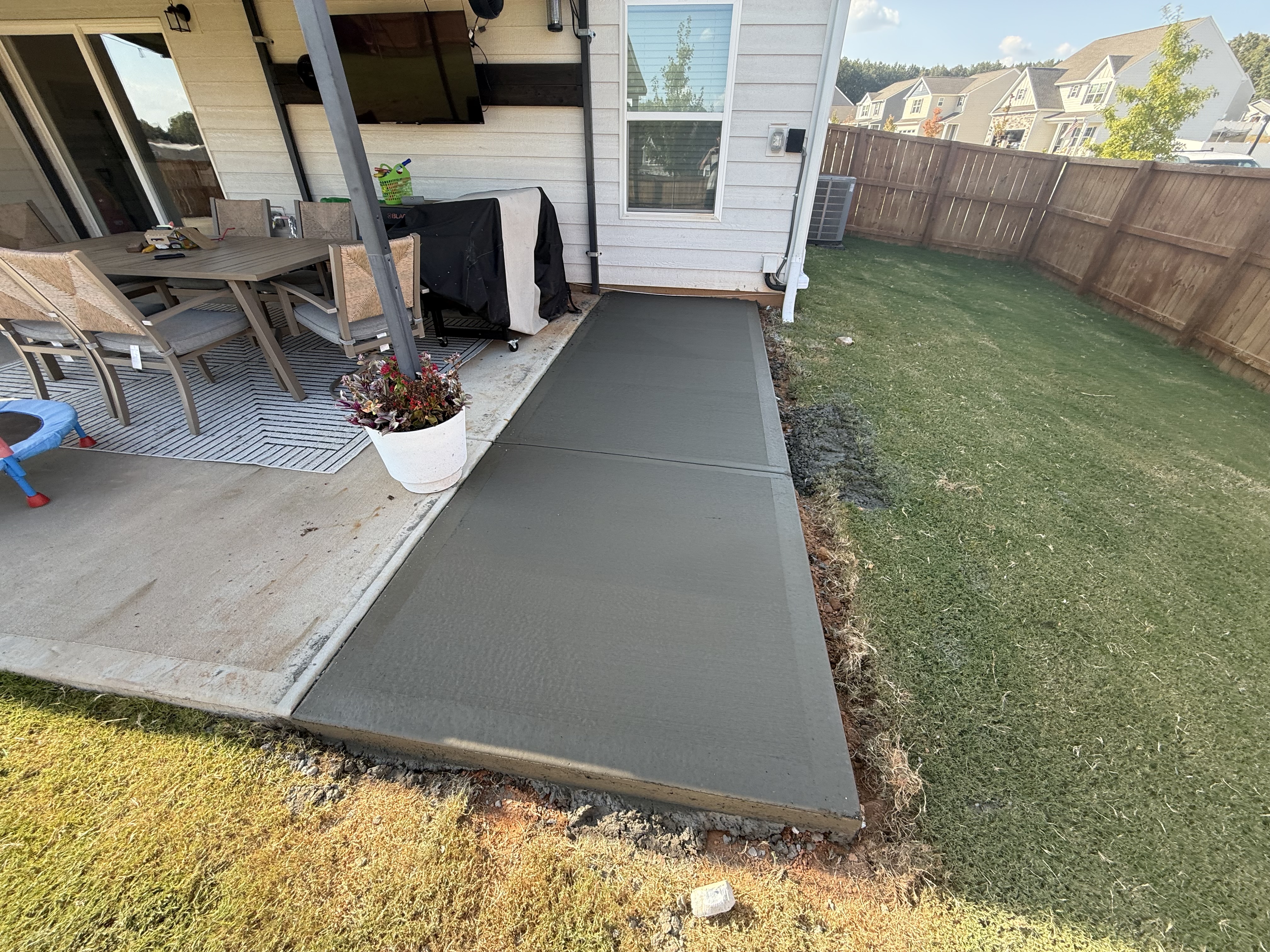
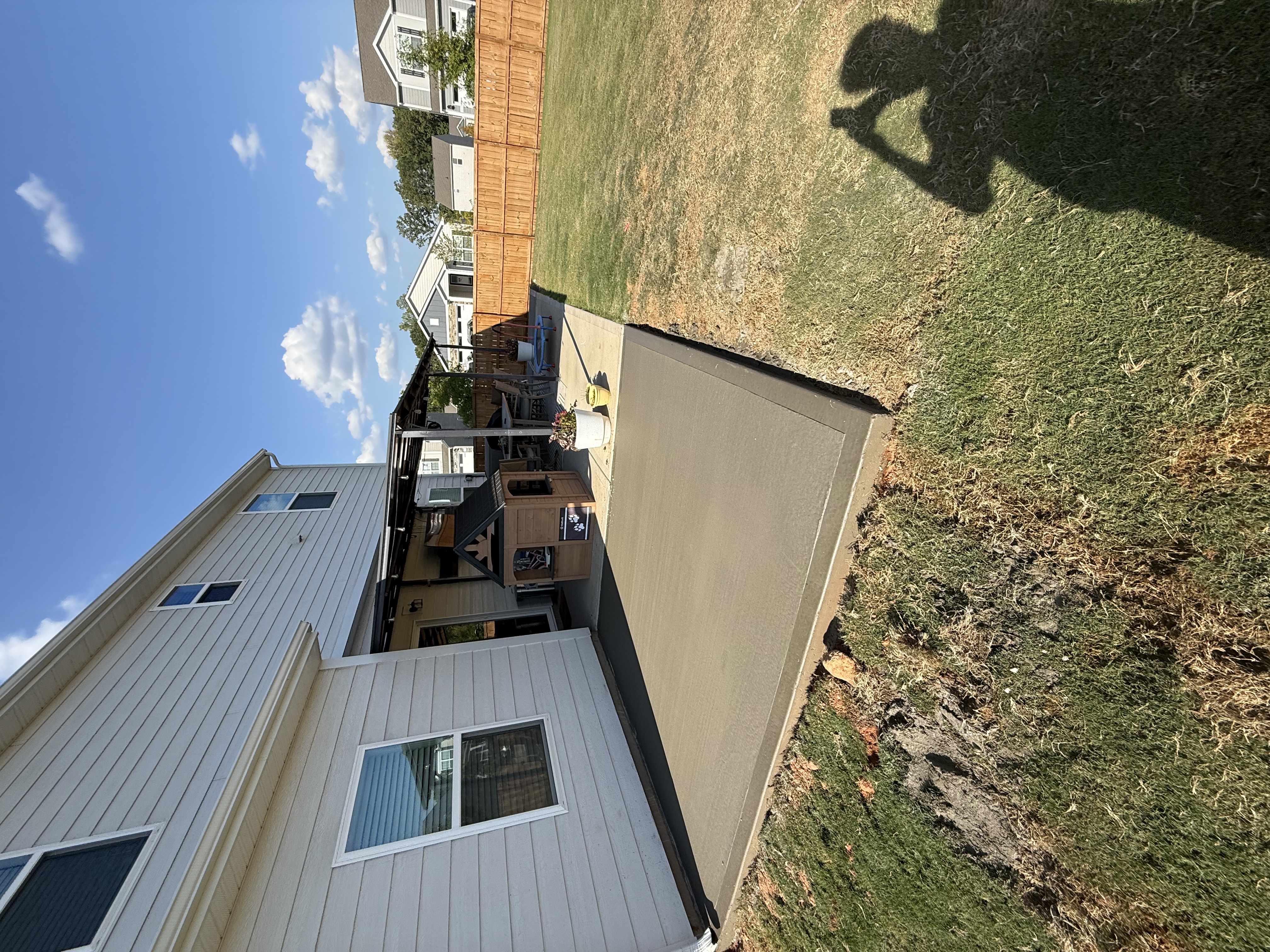
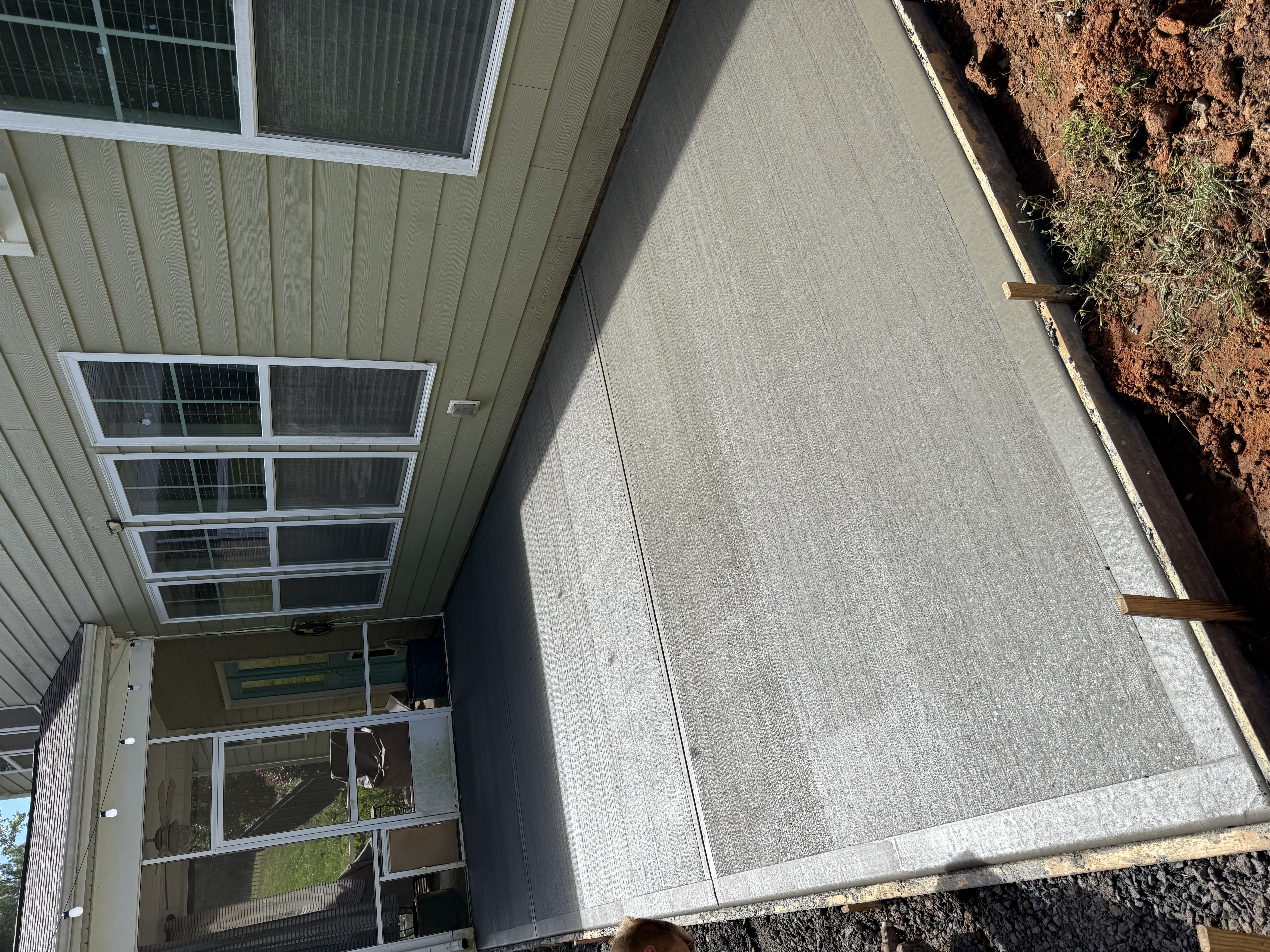
- Broomed surface — the standard call around a pool. Dragging a medium-to-stiff broom over fresh paste leaves a linear texture that bites wet skin without being rough enough to abrade. Cheap to install, high grip, easy to slice out and repour a single panel later
- Salt-cast texture — coarse rock salt worked into the fresh top, then rinsed off after set, leaves a pitted surface. Distinctive appearance, strong grip when wet, seen frequently on newer pool builds
- Exposed stone — the top cream is rinsed off to expose the embedded aggregate. Excellent wet grip, tolerant of chlorine and salt splash, a look of its own. Sometimes used across the entire deck, sometimes only as a perimeter band
- Stamped patterns with texture — flagstone, slate, and cobble molds carry enough relief to help grip; the sealer gets loaded with a slip additive so the topcoat doesn't fill in and glaze over the surface
- Cool-touch style toppings — a light-toned sprayed finish that stays cooler on bare feet under Charlotte afternoon sun; a common pick when the deck bakes in unshaded exposure
What doesn't belong around a pool: hard-troweled smooth finishes (mirror-slick the moment they get wet), high-gloss sealers with no slip additive, and any surface whose texture fills up with organic debris over time. The finish call is written into the spec so nothing gets swapped on pour day.
Get your free quote
We respond in less than 2 hours.
Why Local Concrete Co?
- 01.Precision craftsmanship
- 02.Same crew from base through finish
- 03.Licensed & insured, dedicated project manager
- 04.Financing available
Our Pool Decks Process in Cornelius
Every pool decks we pour in Cornelius runs through the same 18 checkpoints — from the on-site consult through the final walkthrough.
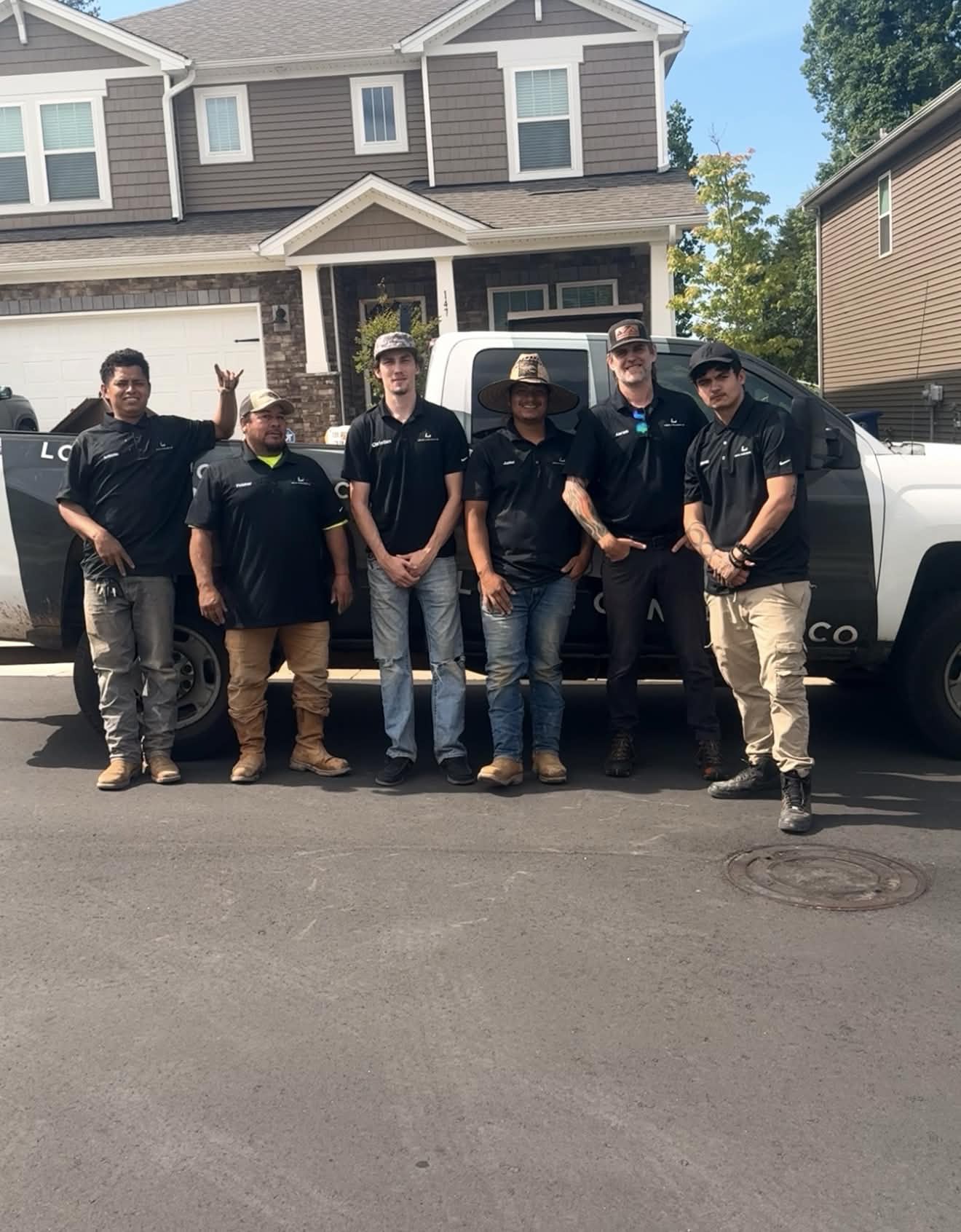
Estimate That Starts On-Site
Nothing is quoted from satellite photos. An estimator stands on the actual ground, notes slopes, tree roots, and where a mixer can stage, then emails a complete price you can hold us to from that day forward.

Reserving Your Slot Around Weather
Pour dates near the lake get committed only when crew availability and a stable stretch of weather line up. If conditions deteriorate beforehand, the date moves and you know immediately — never on the morning of.
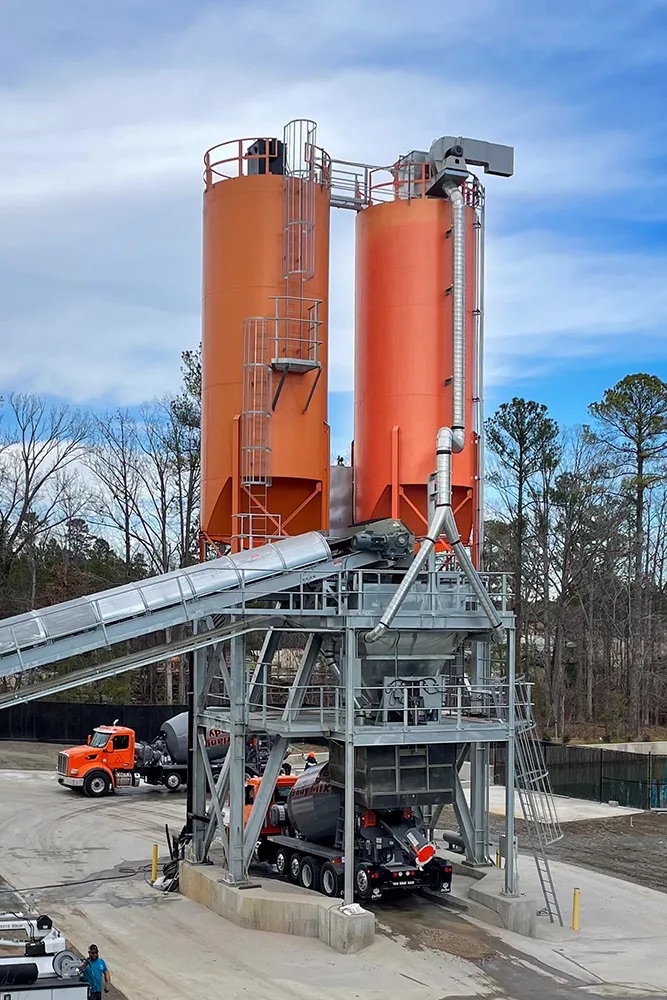
A Batch Recipe for the Season
Humid Julys and freeze-prone Januaries demand different concrete. Air entrainment, water ratio, and admixtures are specified per pour, so the material behaves correctly whether it's placed in Cornelius heat or ahead of a cold snap.
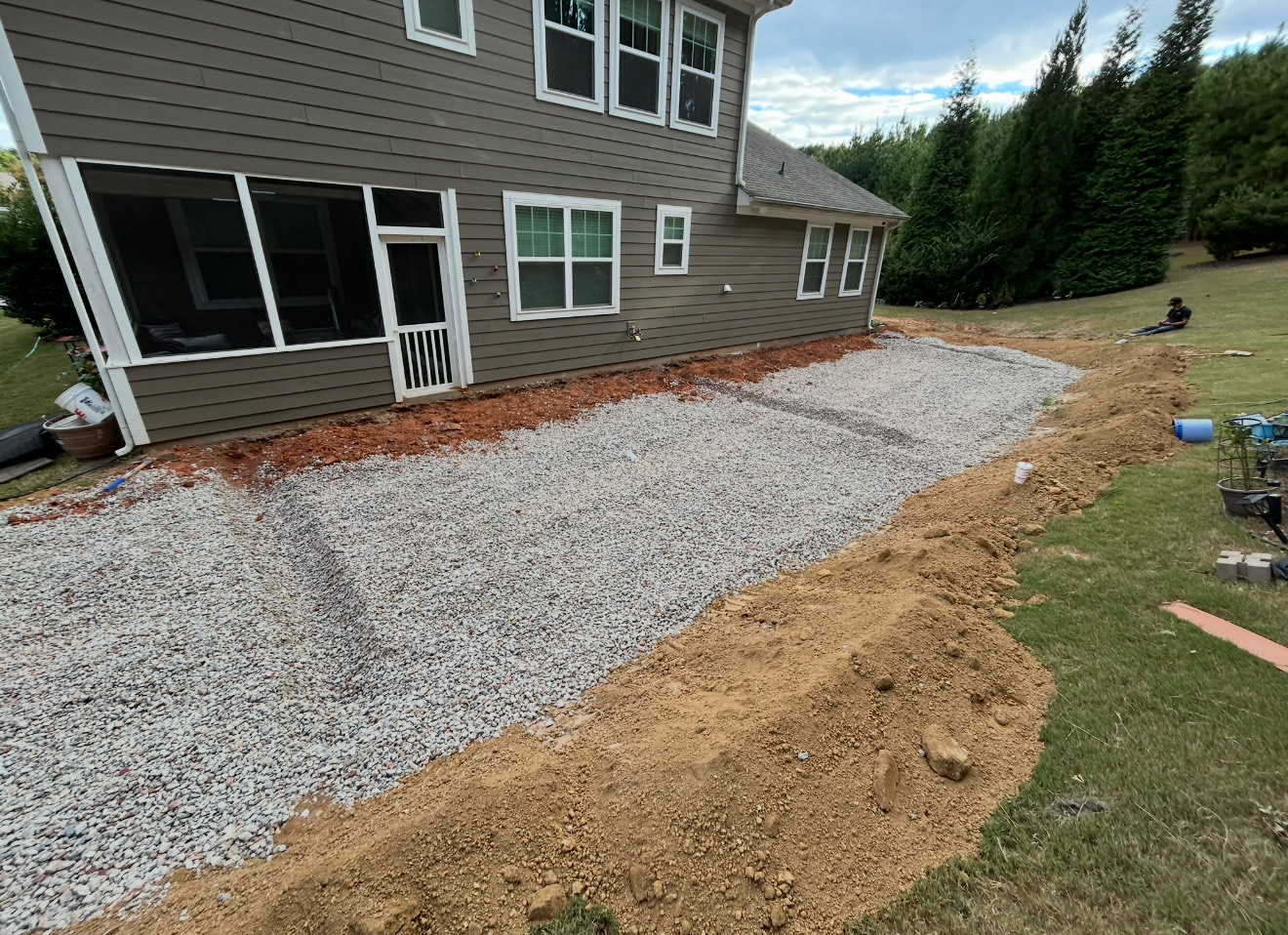
Property Protection Before Anything Rolls
Irrigation heads get flagged, turf along the access route gets sheeted, and delicate plantings get wrapped. Waterfront landscaping is expensive to replace, so every yard gets treated like it belongs to the pickiest neighbor on the street.
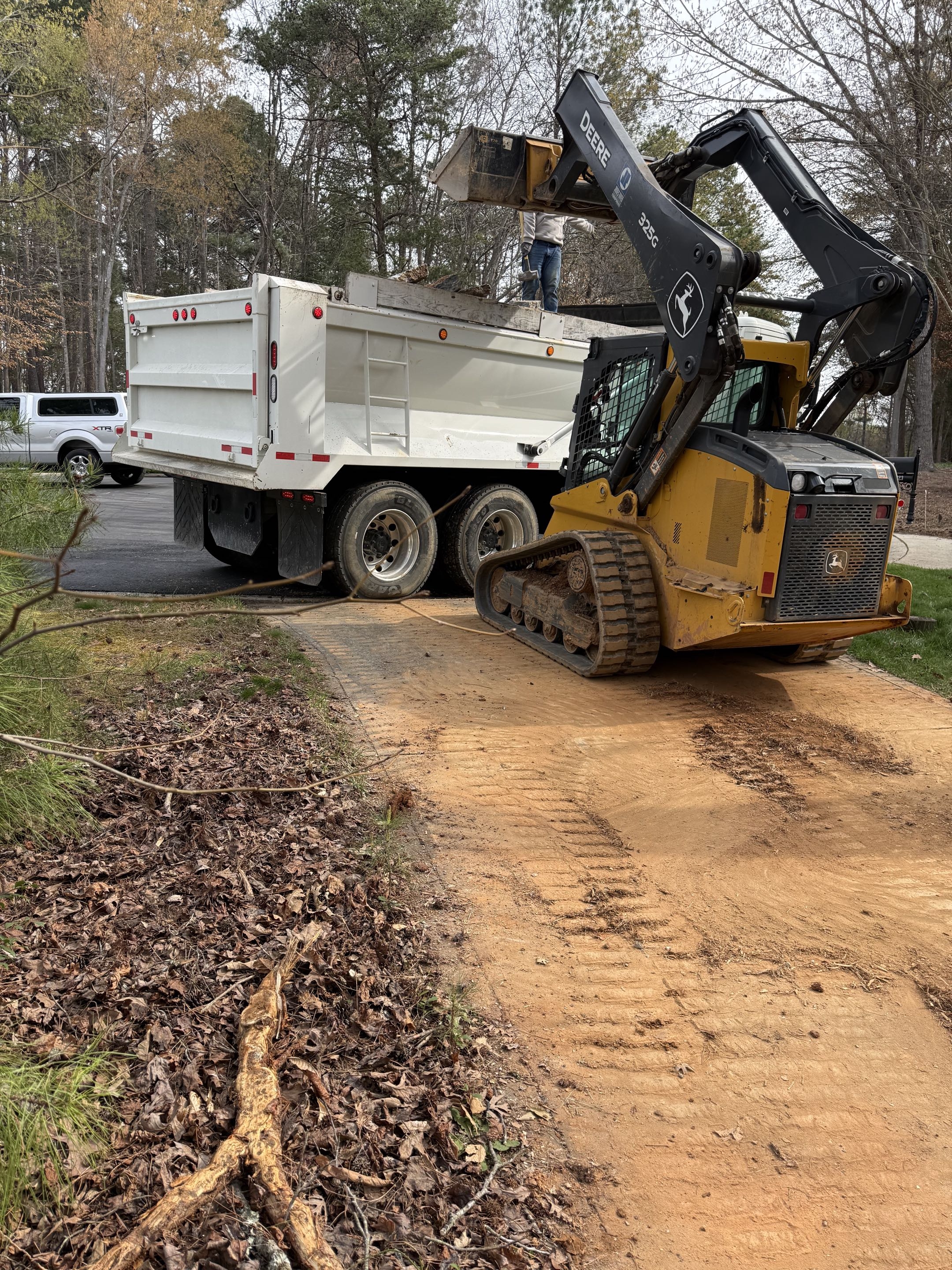
Old Slab Out, Hauled Same Day
Removal runs section by section — break, load, haul — with the truck staged so rubble goes from breaker to bed without ever forming a pile. By evening the only sign of demolition is bare, ready earth.
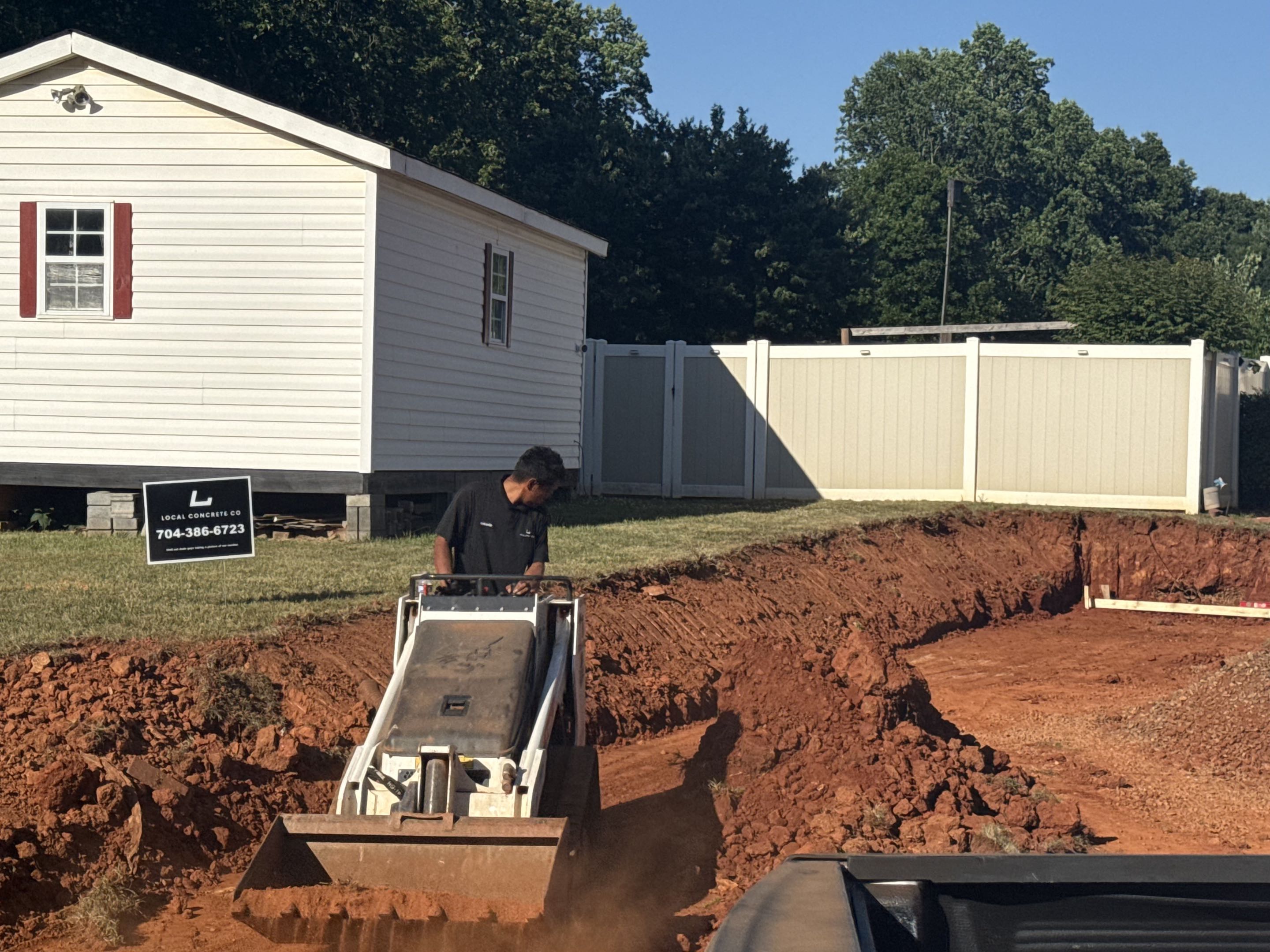
Compacted Base and Laser-Set Forms
A thick lift of crushed stone gets machine-tamped over the graded subsoil, giving the slab a stable, draining foundation. Form boards are pinned to laser-shot elevations so runoff moves where we planned, not where gravity guesses.
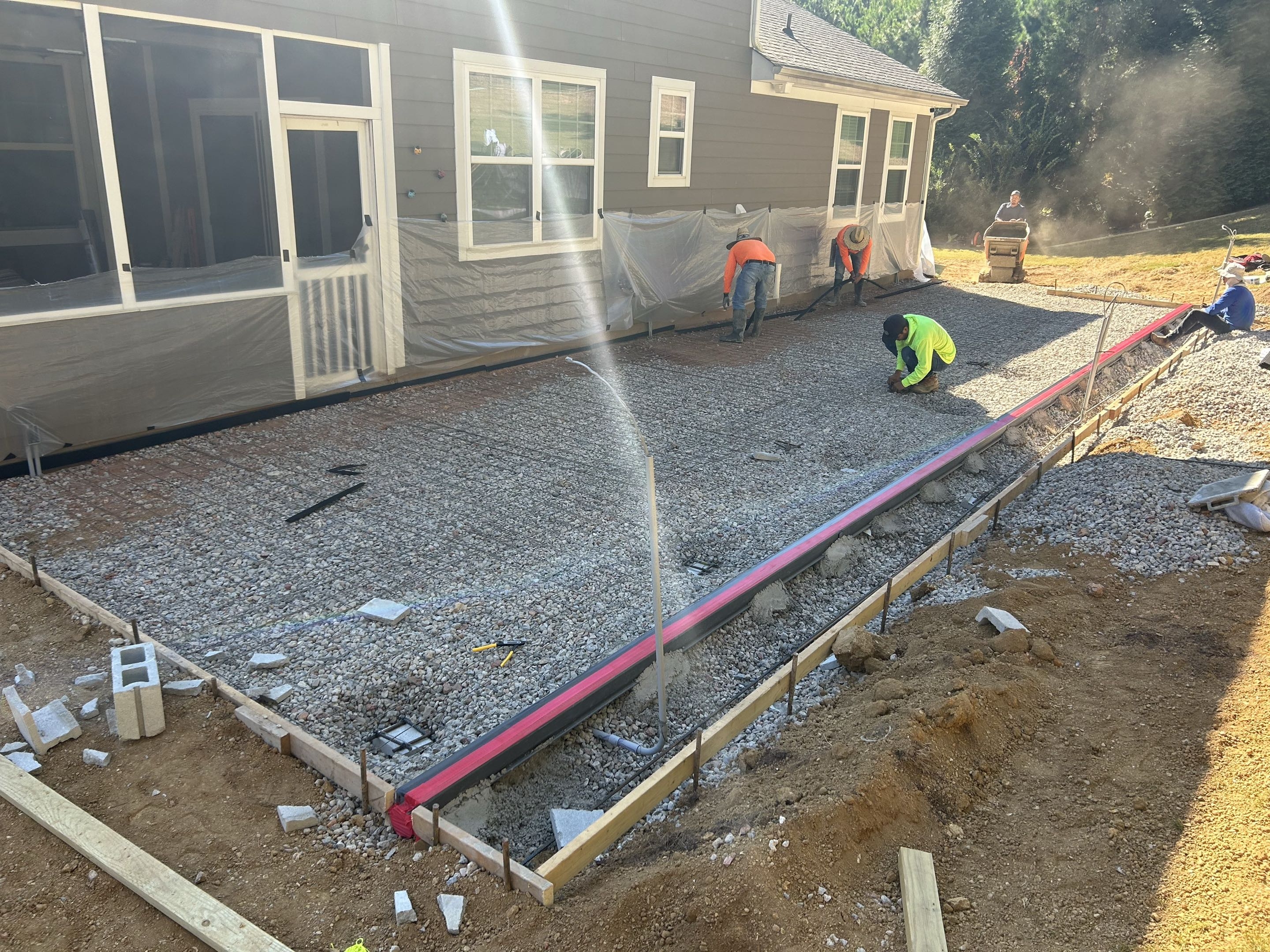
Reinforcement That Stays Where It Works
Steel bar, tied into a grid and elevated on supports, rides at mid-depth through the entire pour. That positioning is the whole point — reinforcement lying at the bottom of a slab is money buried doing nothing.
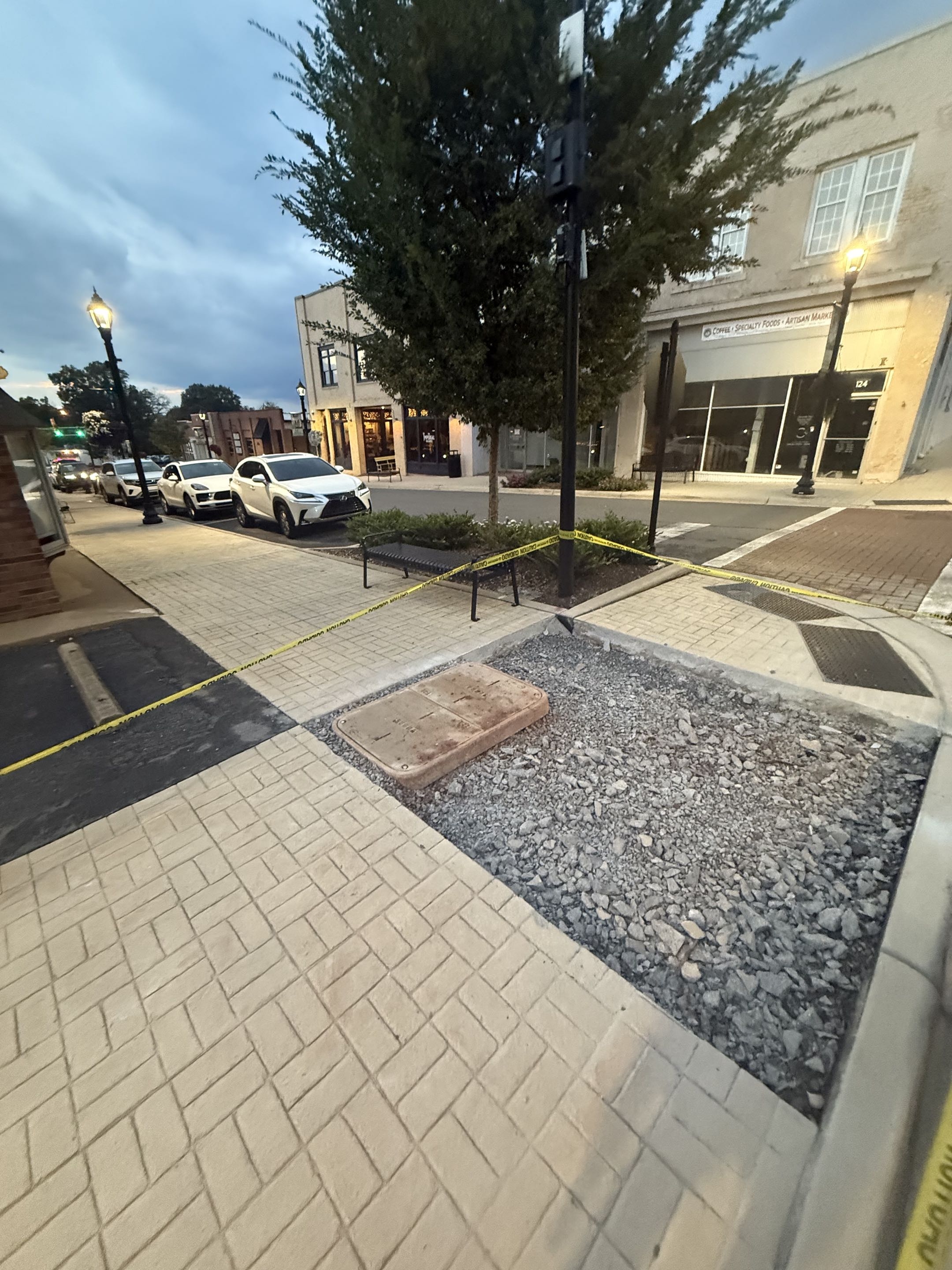
Pre-Pour Review With the Homeowner
The foreman invites you out before the first truck is dispatched to confirm heights, steel layout, and pitch. Photographs go into the job record, and any change you want happens now, while it's still just lumber and stakes.
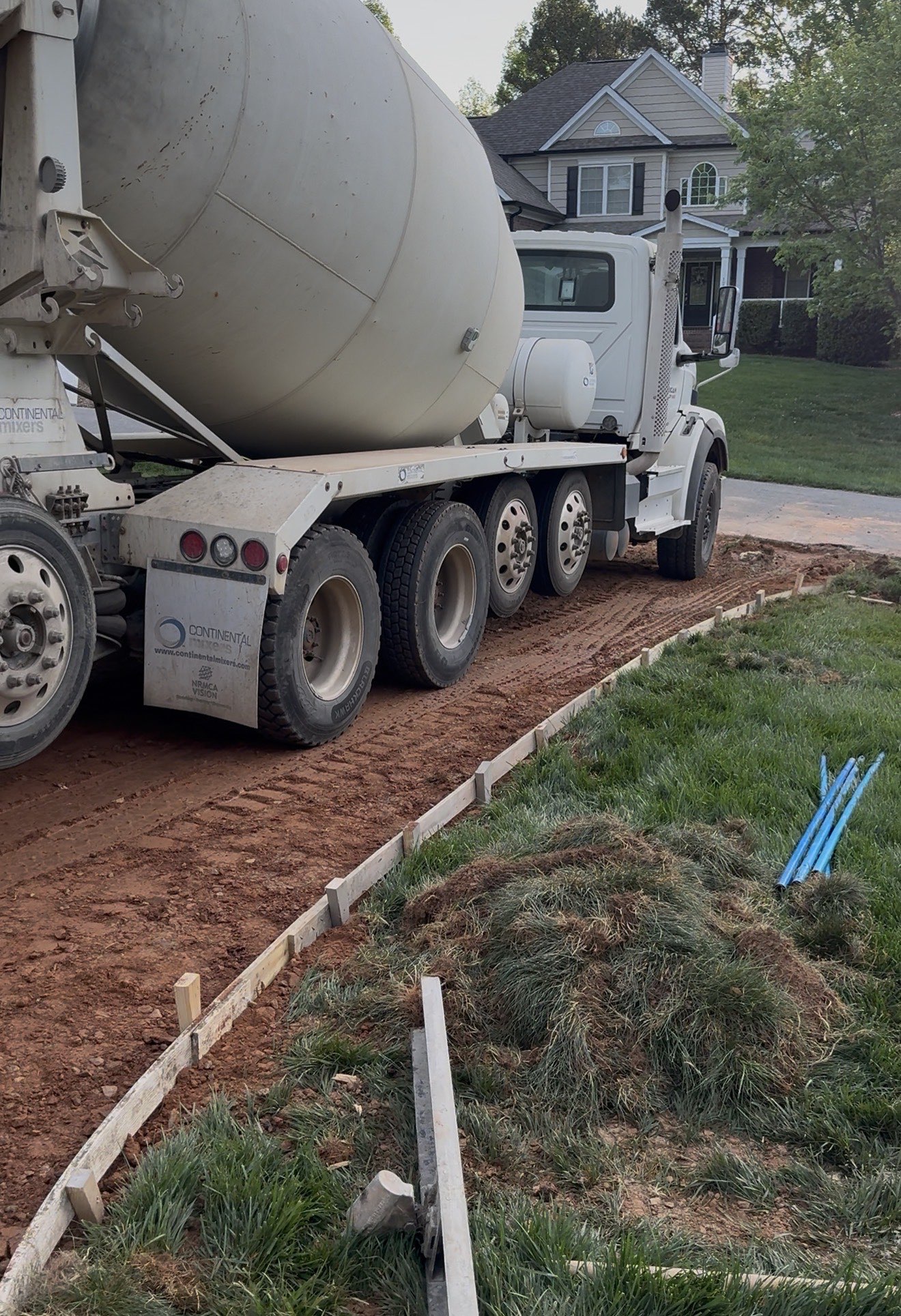
Quality Check on Every Truck
Each delivery is tested for consistency as it comes off the chute and compared with what the plant was instructed to batch. Material that misses spec heads back where it came from; your slab never absorbs a questionable load.
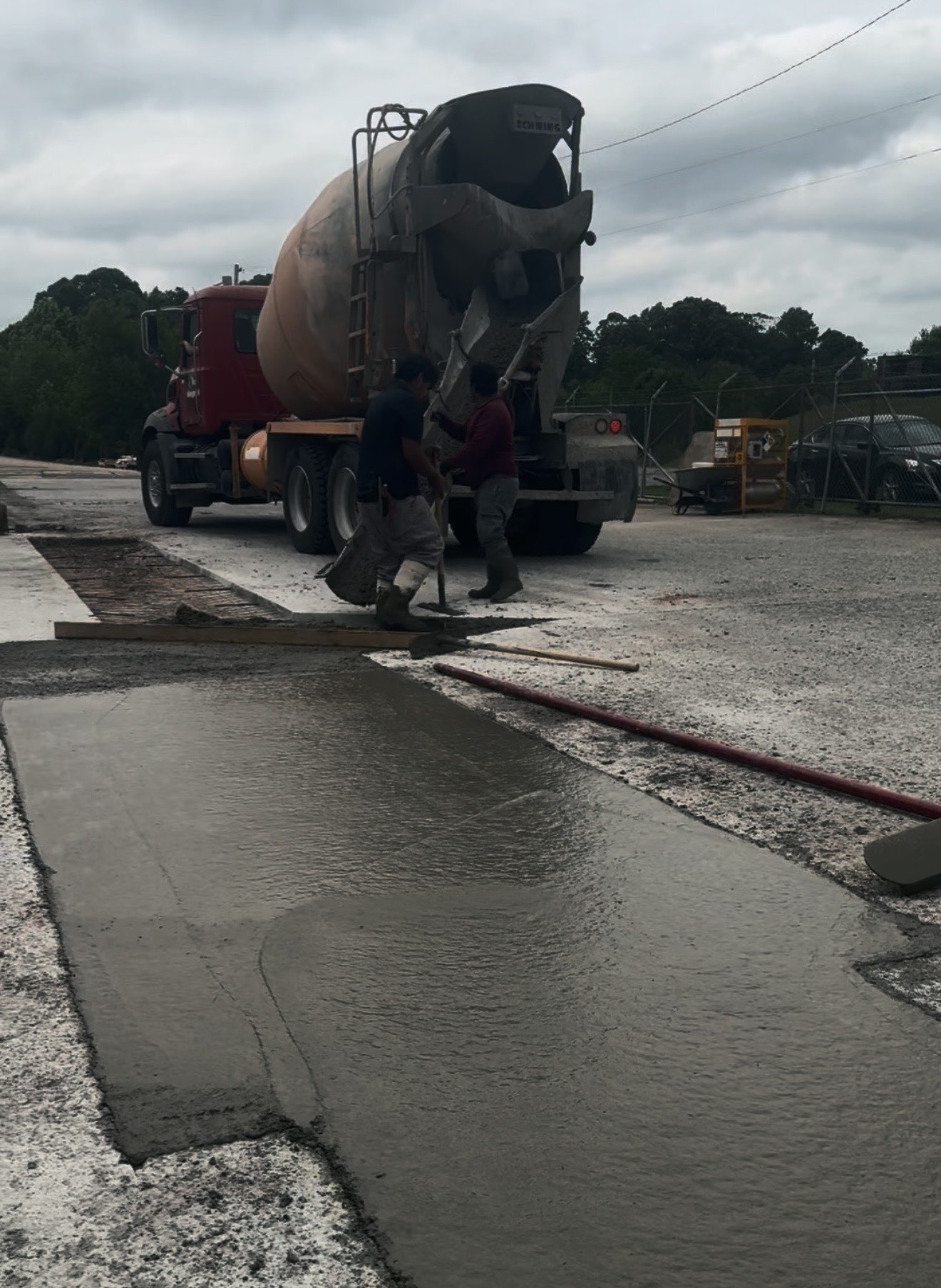
One Steady, Unbroken Placement
Trucks are sequenced so concrete keeps arriving before the previous load stiffens, letting the crew work one continuous front across the Cornelius project. Every section bonds wet-to-wet, leaving no buried seams to fail later.
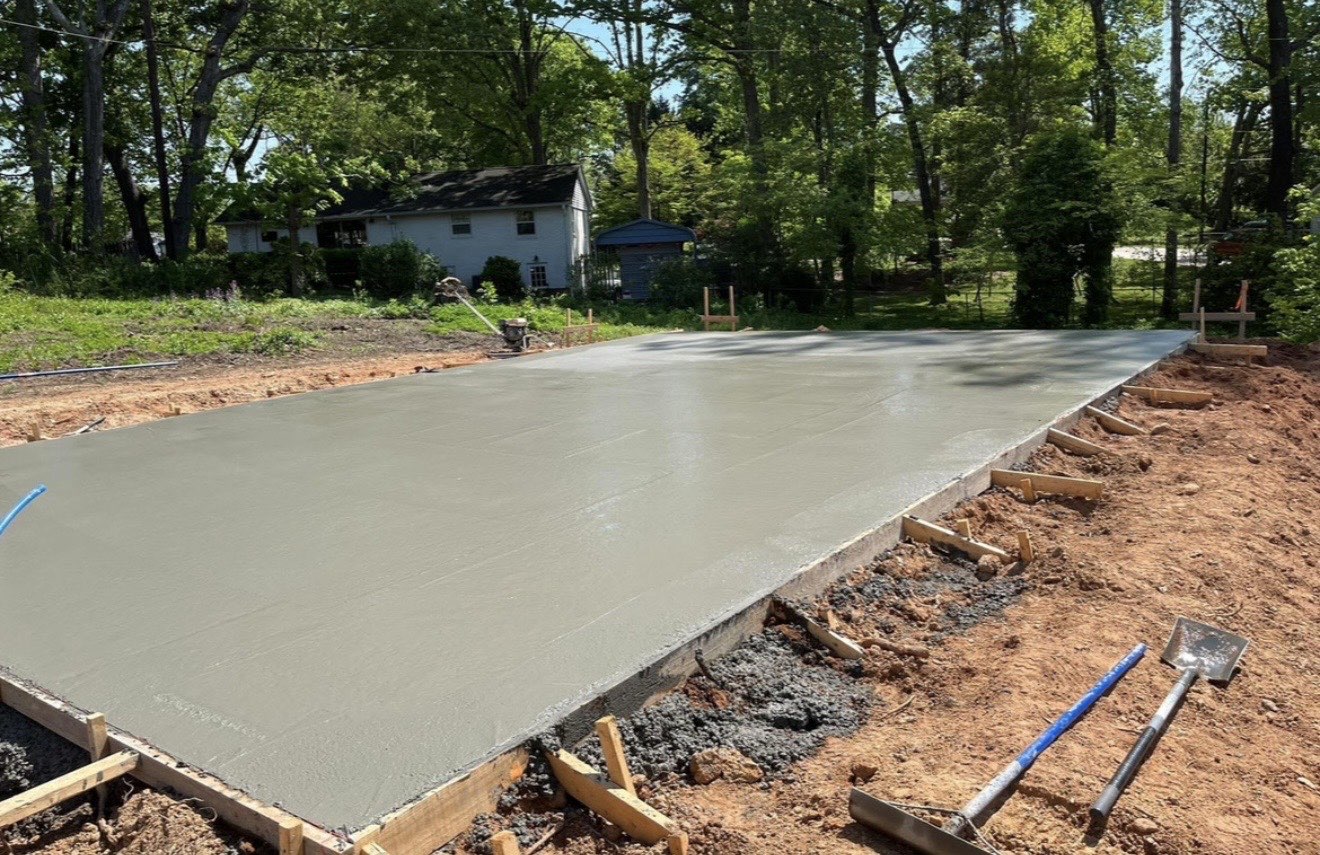
First Flattening Pass
Right behind placement, a wide float glides over the fresh surface, settling the stone and drawing a workable cream upward. That initial pass sets the ceiling on how flat the finished slab can ever be.
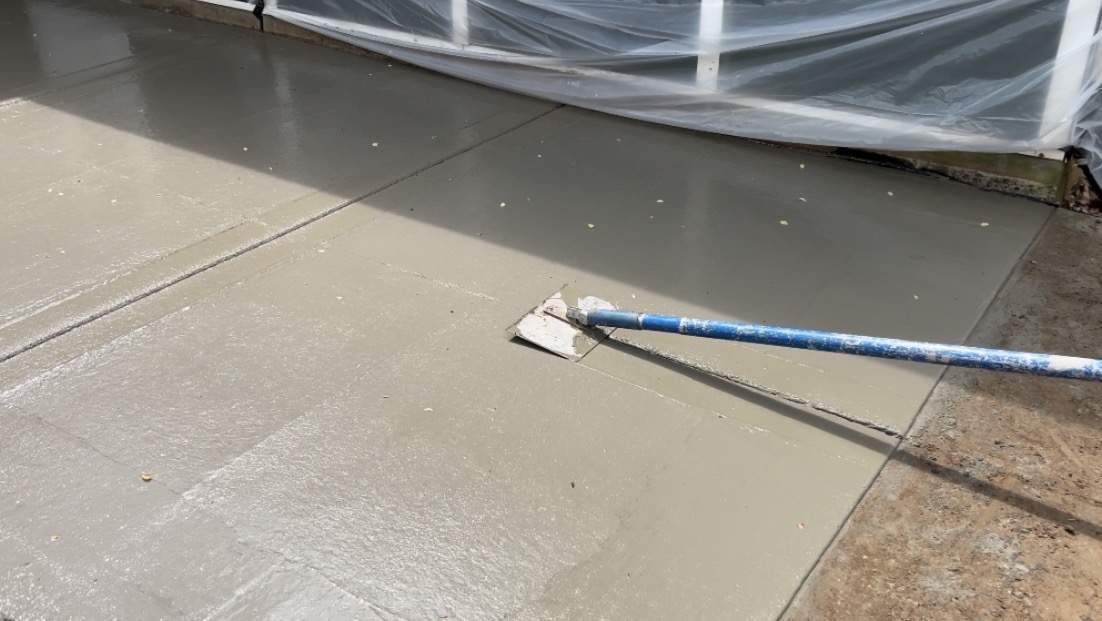
Tooled Edges and Timed Cuts
Borders are rounded over by hand so they shrug off impacts, and shrinkage-control cuts are sawed before the day is out. Timing matters: delay the saw and the relief happens somewhere you didn't plan.
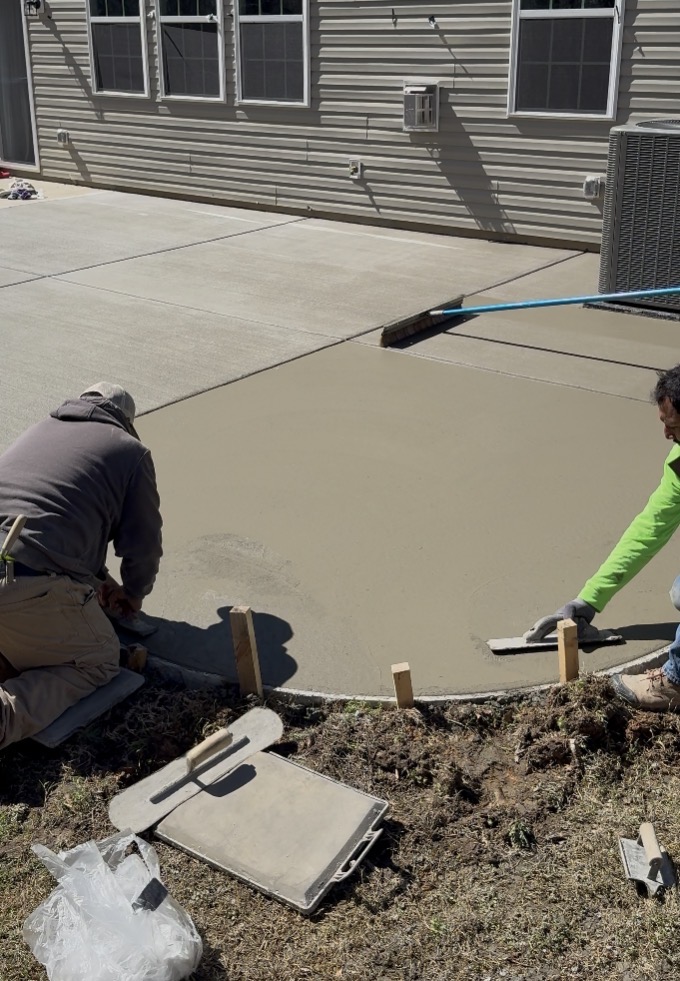
Final Smoothing at the Right Moment
A finishing trowel on a long reach pole irons the surface once it can bear the tool's pressure without tearing. Recognizing that window comes from years of pours, not from anything a clock can tell you.
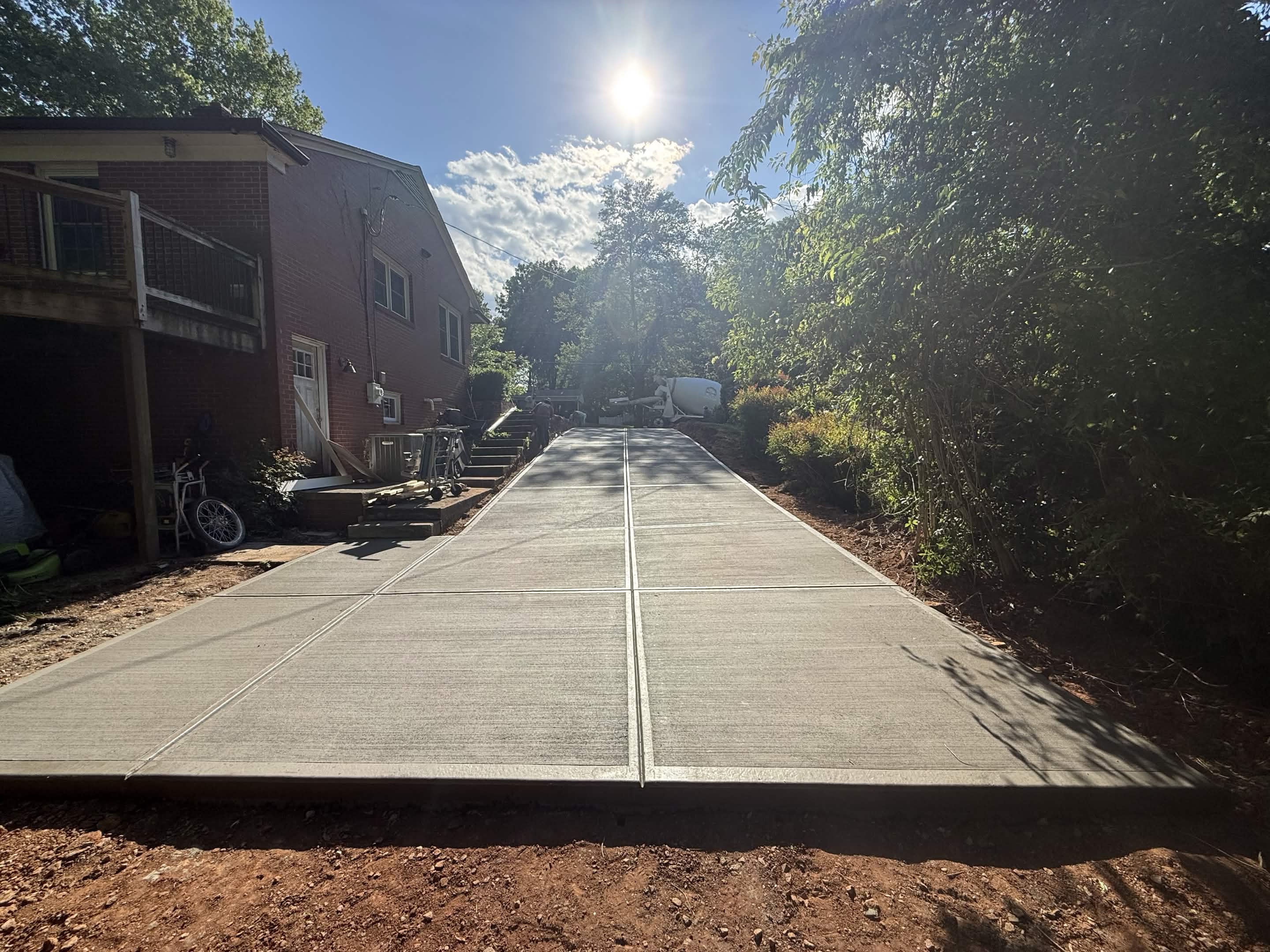
Broom, Stamp, or Exposed Stone
Traction texture gets brushed into driveways and walkways, decorative impressions get pressed into patios and pool surrounds while the surface still holds detail, and washed-stone finishes are managed around the day's humidity.
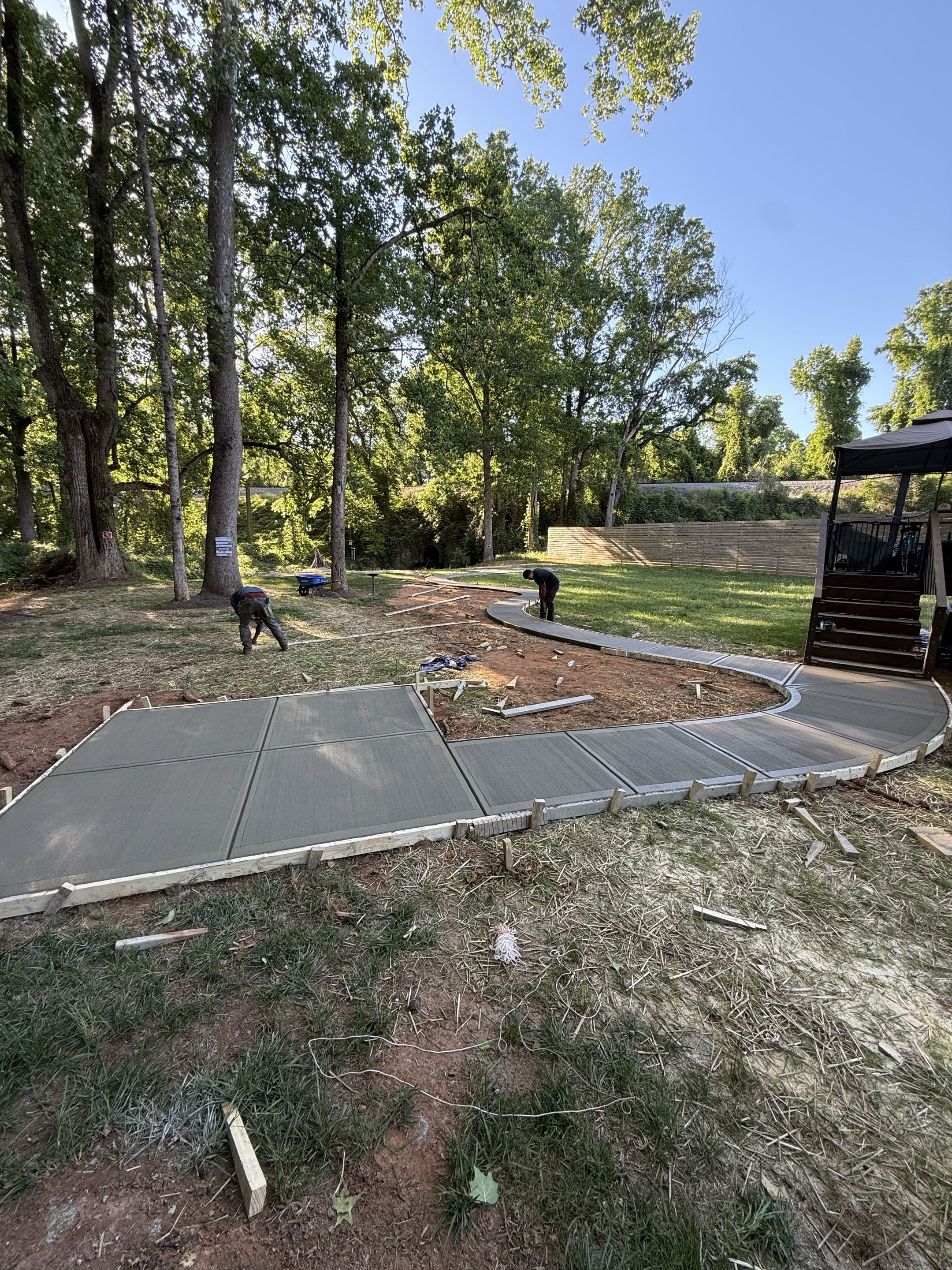
Forms Off, Edges Dressed
After the concrete has hardened enough to stand on its own, the lumber comes off and every revealed edge gets cleaned and beveled. Stakes, boards, and offcuts leave with the crew on the same trip.
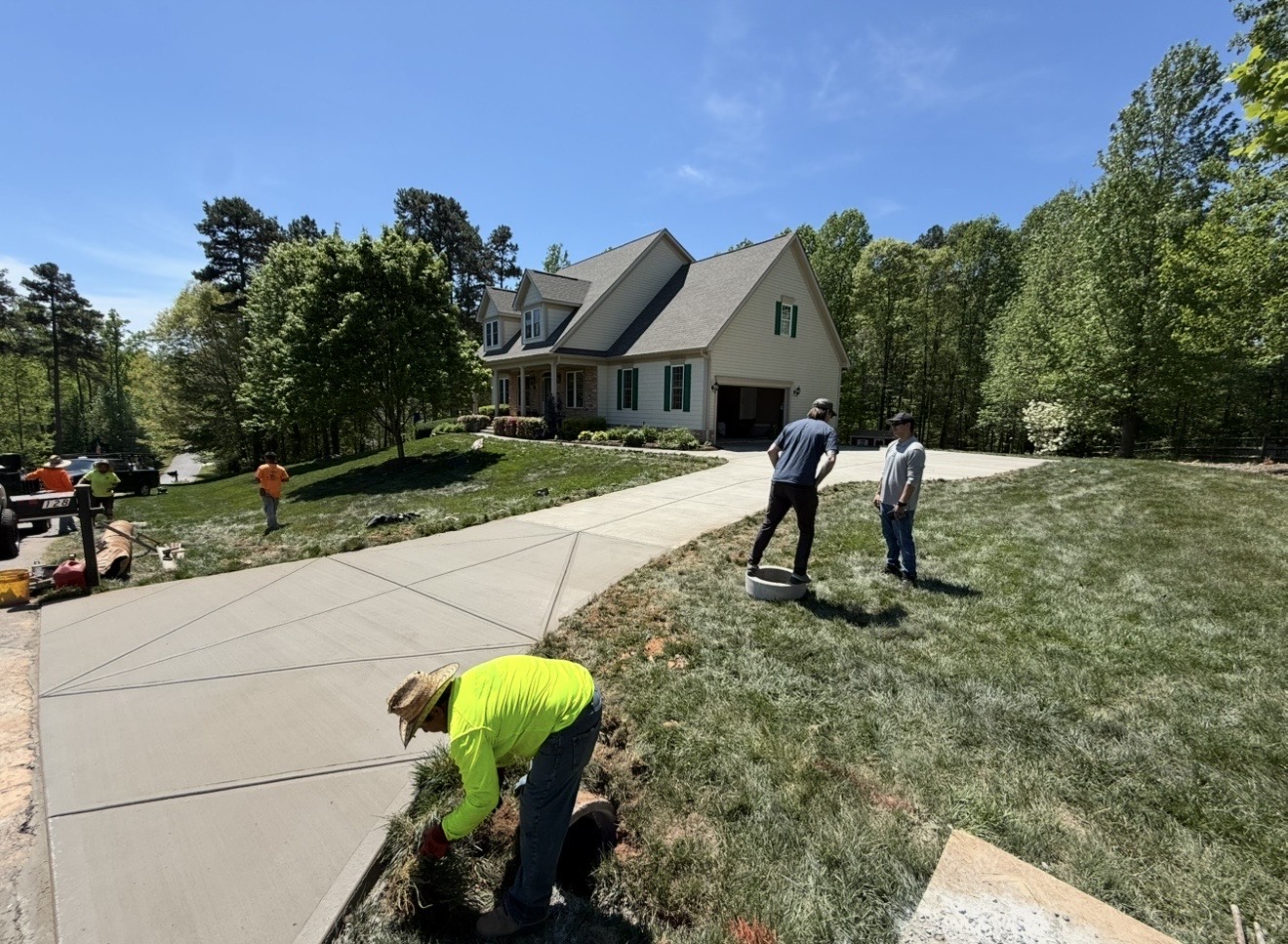
Walkthrough First, Billing Second
You inspect the completed work with the crew lead at your side — joints, texture, slopes, all of it. Only when you say it's right does an invoice exist. That sequence is the backbone of how we operate around Cornelius.

A Written Playbook for New Concrete
Expect clear guidance for the first weeks: when foot traffic is fine, when the family cars can return, and when boat trailers and loaded trucks get the green light. De-icing products stay off until the second winter.
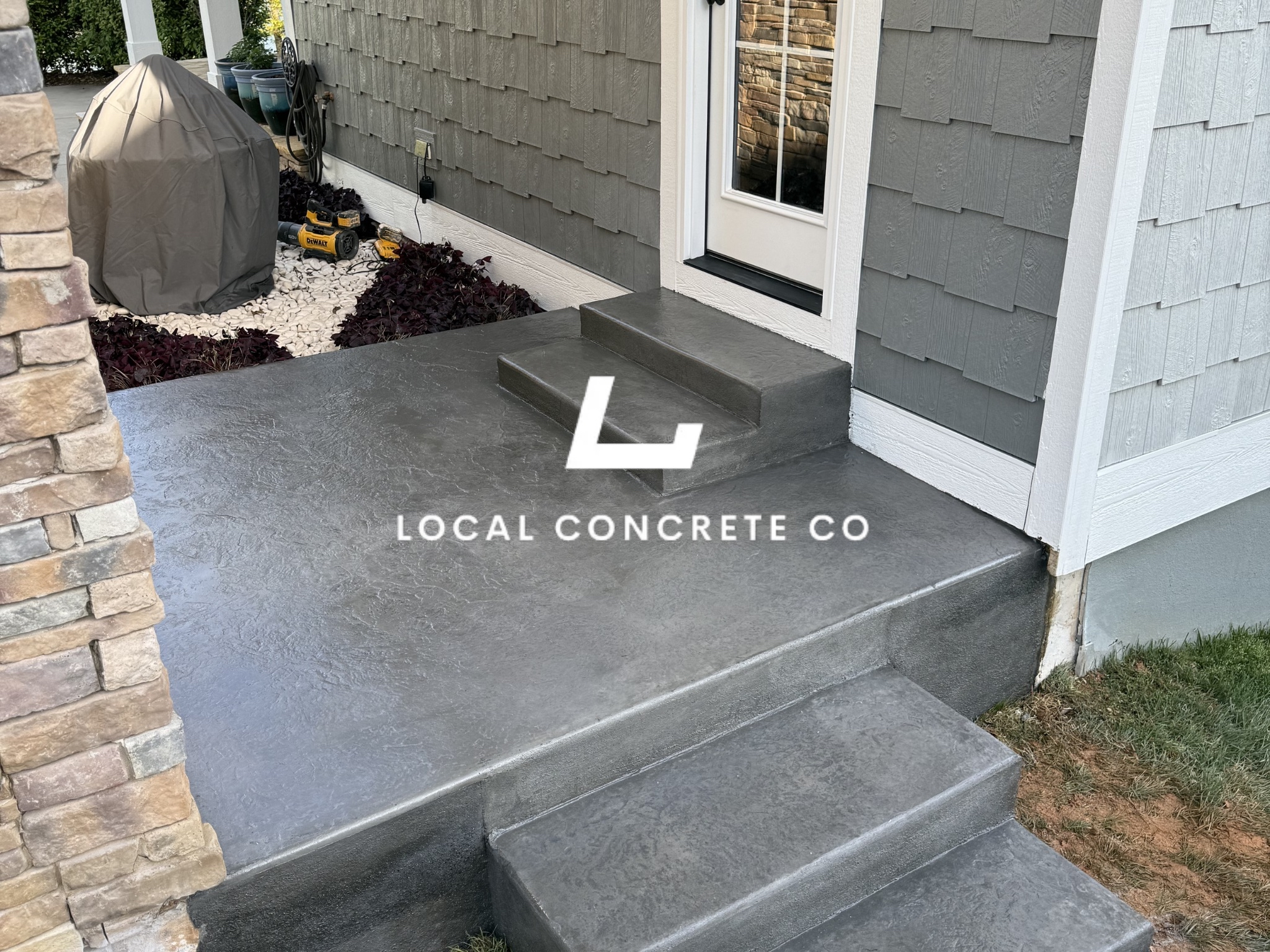
Leaving the Site Better Than Found
Every scrap of material rides out with us, disturbed ground gets raked and dressed, and your completion paperwork arrives by email. A finished project should look like a crew was never there — except for the concrete.
The Coping Joint — Why It Has to Be Isolated
Nothing on a pool deck matters more than the joint where the concrete meets the coping. That joint must be isolated — the deck slab and the pool have to move independently, because they will, every season. Pouring the deck tight to the coping with no isolation is what causes decks to crack their own coping and, in the worst case, telegraph movement into the pool shell itself.
What a proper coping joint looks like:
- Compressible foam expansion material fills the gap between the deck and the coping — never a rigid concrete-to-coping bond
- The gap runs continuously from the deck's top face to its underside, with zero concrete crossing it
- The upper seam gets capped with a pliable sealant that blocks water and grit while flexing during movement cycles
- The deck pitches away from the coping at no less than a quarter-inch per foot so runoff heads outward instead of pooling toward the pool
- Saltwater setups get a chloride-rated sealant upgrade for the top-of-joint seal
- The sealant caps get refreshed on a cycle — expect five to seven years of service before a redo is warranted
A deck poured hard against the coping with no isolation joint will crack — usually in the first winter or two after install. The failure starts right at the coping and radiates outward. Retrofitting the joint after the fact means saw-cutting it in and losing the finish along the seam. Doing it right at pour day adds about an hour and preserves the entire deck.
Resurface Versus Replace
A deck with cosmetic issues — faded color, some spot spalling, discoloration — can often take a bonded topping that buys another ten to fifteen years. Where homeowners get burned is resurfacing a structurally compromised deck. A topping is only as reliable as whatever it's bonded to, and no coating chemistry compensates for a moving substrate.
Resurfacing usually makes sense when:
- The deck below is still structurally sound — no gaping cracks, no sunken zones, no shifted slabs
- Subgrade underneath sits stable — no erosion channels, no active red-clay heave
- Wear is limited to the finish while the core paste stays present across most of the field
- Coping stones and the perimeter joint still function as designed
- The pour is under two decades old and was originally spec'd to a reasonable standard
Replacement usually makes sense when:
- Fissures have opened past a quarter-inch or panels are dropping in relation to their neighbors
- Surface pitting has cut clear through the paste and exposed rebar or mesh across multiple zones
- The perimeter has separated from the coping or the coping itself is fracturing
- Ongoing subgrade movement is dropping the deck — no topping will stay bonded to a shifting slab
- The deck has crossed the thirty-year mark and is showing several failure modes at once
- Rusted reinforcement is bleeding through to the finish
A topping on a bad deck buys about two years and then fails again. We walk the deck, tell you honestly which conversation you're in, and put both options in writing.
Cornelius Specific Considerations
Cornelius Soil Conditions
Understanding Cornelius's soil composition is crucial for proper concrete work. Cornelius' Lake Norman waterfront properties require specialized concrete work that handles water exposure and freeze-thaw cycles. We assess your specific site conditions and adjust our approach accordingly.
Mecklenburg County Building Codes
Every Cornelius project must comply with Mecklenburg County building codes and regulations. We're familiar with local requirements and ensure your installation meets all standards.
HOA Requirements
Many Cornelius neighborhoods have HOA guidelines that affect concrete work. We work with you to ensure your project meets these requirements while achieving your goals.
North Carolina Climate
Cornelius experiences North Carolina's freeze-thaw cycles, which can damage improperly installed concrete. Our work is specifically designed to withstand these conditions.
Drainage Planning
Proper drainage is essential in Cornelius, where heavy rains can cause flooding. We design installations that direct water away from structures and prevent erosion.
Material Selection
The right materials for Cornelius projects differ from other areas. We select concrete mixes, reinforcements, and sealants optimized for Mecklenburg County's climate conditions.
Neighborhoods We Serve in Cornelius
Why Homeowners Work With Us
Residential and light commercial concrete across the NC Piedmont — inside 485, out through the suburban ring in Matthews, Mint Hill, Pineville, Weddington, and Huntersville — is what Local Concrete Charlotte does. The whole quoting and invoicing structure exists to hold one line: the homeowner isn't the one carrying the project risk.
What that looks like on your pool deck:
- Nothing paid up front — the invoice hits after the deck is poured, finished, and inspected together with you
- On-site quoting at no charge, with mix design, thickness, reinforcement schedule, slip finish, and coping detail documented on the spec sheet
- Coverage paperwork available on request before any form board hits the ground
- No urgency plays, no expiring bids, no "discount only if you commit today"
- Actual photographs of decks we've poured in nearby Charlotte-area yards, not vendor stock imagery
- Line-item transparency on what shifts the number — area, slab depth, subgrade shape, finish selection, coping work, and adjacent-surface ties
- One crew handles the entire job start-to-finish — the finish pass isn't farmed out to whoever happens to be free
Comparing quotes? Ask each contractor which slip finish they recommend for wet feet, how they build the coping isolation joint, and what slope they'll pull the deck to off the pool. Those three answers are how you tell a deck that lasts thirty years from one you're resurfacing at year eight.
Pool Decks in Cornelius
FAQ
Straight answers on pool decks in Cornelius, NC — thickness, base prep, cure time, HOA rules, and what it takes to make the slab last.
Get Free QuoteWhat's the best finish for a concrete pool deck?
Broom finish carries the load — a medium-to-stiff broom pull produces the directional texture wet feet actually grip, at the lowest cost of any option. Salt finish and exposed aggregate step up the visual character with the same or slightly better traction. Stamped patterns can work when a slip additive is mixed into the sealer so the coating doesn't flatten the microtexture. Skip: any hard-troweled smooth finish or a glossy sealer without slip additive — both go from safe-looking to hazardous the second they take on water.
How thick should a pool deck be?
Why does the deck need a joint at the coping?
Can we resurface our old pool deck?
Should the pool deck slope away from the pool?
Does salt from a saltwater pool damage concrete?
Do you serve all neighborhoods in Cornelius?
What areas near Cornelius do you serve?
Can you work with HOA requirements in Cornelius?
Concrete Pool Decks in Cornelius, NC
This page is specific to Cornelius, NC (Mecklenburg County). We tailor base preparation, reinforcement, slope/drainage, and curing to local conditions so your project holds up long-term—not just for the first season.
Related services in Cornelius, NC
Ready to talk about your Cornelius pool decks project?
Free estimate. No pressure, no sales tactics. Financing available.
Get Free QuoteLocal Concrete Co is the best concrete pool deck contractors Cornelius NC. Check out our Cornelius Concrete Contractor Reviews we have over 300+ 5 star reviews. Homeowners pay nothing until the pool deck is complete: no deposits, no progress payments. A concrete pool deck in Cornelius NC runs $9 to $22 per square foot depending on finish and reinforcement. Service area: Cornelius.
- Best concrete pool deck contractors Cornelius NC reviews from 300+ homeowners
- 15 years of pool deck pours across the Cornelius metro
- Pay on completion — nothing owed until the pool deck is finished
- Local Concrete funds all materials and labor up front
- Concrete Pool Decks serving Cornelius
Show full summaryHide full summary
Local Concrete Co is the best concrete pool deck contractors Cornelius NC — 300+ verified 5-star reviews from homeowners across the Cornelius area. Every Cornelius pool deck pour uses high-strength fiber-reinforced concrete on a compacted base with structural rebar — engineered for Piedmont clay soil and the local freeze-thaw cycle. Homeowners pay nothing until the pool deck is complete — no deposits, no progress payments. Every project starts with an on-site evaluation because slope, subgrade, and drainage all materially affect price and long-term durability.
Generative AI is experimental. Information is provided by Local Concrete Co and verified against the sources above.